English
 Español
 tiếng việt
 русский
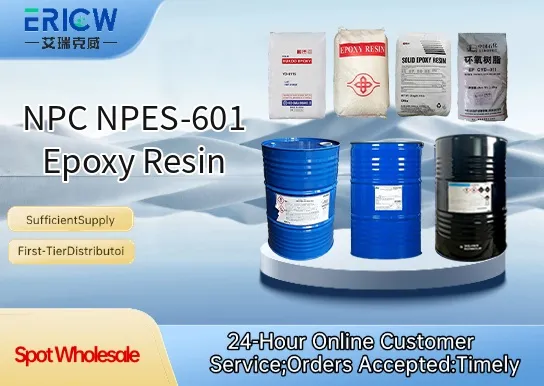
High-purity bisphenol-A based liquid epoxy resin with low ionic chloride content.
Excellent compatibility with standard amine and anhydride curing agents.
Low viscosity at room temperature, enabling easy processing and improved wetting of substrates.
Superior electrical insulation properties and thermal stability after cure.
Consistent batch-to-batch performance meeting ISO 9001 manufacturing controls.
Electrical encapsulation for transformers, reactors, and high-voltage insulators.
Structural adhesives in automotive and aerospace composite bonding.
Matrix resin for filament-wound pressure vessels and FRP tanks.
Coating systems for corrosion-resistant linings in chemical process equipment.
Prepreg formulations for high-performance printed circuit board (PCB) laminates.
| Chemical Type | Bisphenol-A epoxy resin |
| Product Form | Clear to pale yellow liquid |
| Appearance | Homogeneous, transparent, free of sediment |
| Epoxy Equivalent Weight (EEW) | 185–192 g/eq |
| Viscosity (25°C) | 12,000–14,500 mPa·s |
| Chloride Content | ≤ 750 ppm |
| Softening Point | 12–15°C |
| Storage Stability | 12 months at 25°C in sealed container |
Q1: What is the primary function of NPC NPES-601 in epoxy formulations?
A: NPC NPES-601 is a reactive diluent designed to reduce viscosity and improve processability of standard bisphenol-A or bisphenol-F based epoxy resins without significantly compromising final crosslink density or thermal performance.
Q2: Is NPC NPES-601 suitable for high-gloss, low-VOC coatings applications?
A: Yes — its low volatility and reactivity support formulating high-solids and low-VOC epoxy coating systems where surface aesthetics, film integrity, and reduced emissions are critical requirements.
Q3: How does NPC NPES-601 compare to non-reactive diluents in terms of compatibility and final properties?
A: Unlike non-reactive diluents, NPC NPES-601 participates in the curing reaction, resulting in better retention of mechanical strength, chemical resistance, and glass transition temperature in the cured network.
Q4: Can NPC NPES-601 be used with common amine and anhydride hardeners?
A: Yes — it demonstrates broad compatibility with aliphatic and cycloaliphatic amines, as well as aromatic amines and anhydride curing agents, though optimal stoichiometry and cure schedules should be verified experimentally for each system.
Q5: What handling precautions should be observed when working with NPC NPES-601?
A: As with most epoxy-functional materials, standard industrial hygiene practices apply — use appropriate PPE including nitrile gloves and eye protection, ensure adequate ventilation, and avoid prolonged or repeated skin contact to minimize potential sensitization risk.
Contact With Us:
E-mail: wangxingqiang@ericwchem.com
Have a Questions? Call Us:
Add:
Building A1, Jiete Industrial Park, Huangpu District, Guangzhou City, Guangdong Province, China