English
 Español
 tiếng việt
 русский
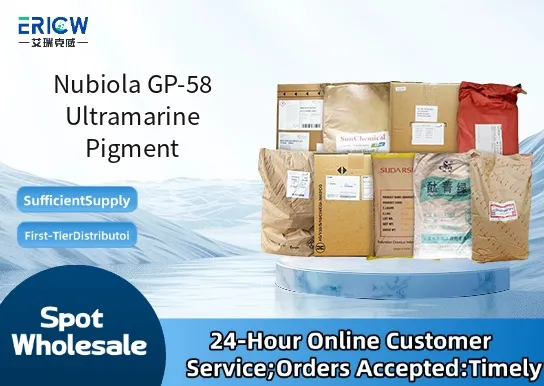
Exceptional lightfastness and weather resistance for long-term color stability.
High tinctorial strength with intense, clean blue hue (CIE L*a*b* ≈ 30, −15, −45).
Excellent thermal stability up to 250 °C in polymer processing conditions.
Non-toxic, sulfate-free formulation compliant with EU REACH and US FDA 21 CFR 73.1626.
Optimized particle size distribution for uniform dispersion in aqueous and solvent-based systems.
Architectural coatings and exterior wall paints requiring UV-resistant blue shades.
Plastic coloration for PP, HDPE, and PS applications including automotive interior trims.
Masterbatch production for synthetic fibers and injection-molded consumer goods.
High-performance inks for packaging gravure and flexographic printing.
Artists’ acrylics and water-based decorative finishes demanding purity and clarity.
| Chemical Type | Sodium aluminosilicate sulfur complex |
| Product Form | Fine dry powder |
| Appearance | Free-flowing deep blue powder |
| Primary Applications | Coatings, plastics, inks, artists’ materials |
| Key Features | Lightfastness ≥ ISO 105-B02 Class 7–8, non-bleeding |
| Benefits | No heavy metals, low dust generation, easy wetting & dispersibility |
| pH (10% aqueous suspension) | 6.8–7.4 |
| Volatile Matter (105 °C, 2 h) | ≤ 0.5 wt% |
Q1: What is the primary chemical composition and structural basis of Nubiola GP-58?
A: Nubiola GP-58 is a synthetic ultramarine pigment based on a sodium aluminosilicate framework with polysulfide chromophores. Its intense blue color arises from the trapped S₃⁻ radical anions within the β-cage structure of the sodalite lattice.
Q2: Is GP-58 suitable for use in food-contact plastics or packaging applications?
A: Nubiola GP-58 is not intended for direct food-contact applications unless specifically authorized under applicable regional regulations and validated through full compliance testing. It is commonly used in non-food-contact industrial coatings, masterbatches, and decorative plastics where regulatory approval for pigments is not required.
Q3: How does GP-58 perform under acidic conditions?
A: Like most ultramarine pigments, GP-58 is sensitive to low pH environments and may undergo color fading or decomposition when exposed to strong acids. It is recommended for use in neutral to alkaline systems and should be avoided in formulations containing acidic additives or during acid-catalyzed processing steps.
Q4: What is the typical dosage range for GP-58 in polymer masterbatches?
A: Dosage depends on the desired shade intensity and polymer matrix, but GP-58 is typically used at low concentrations—generally ranging from 0.1% to 2% by weight in masterbatch formulations. Optimal loading should be determined empirically to balance color strength, dispersion quality, and thermal stability.
Contact With Us:
E-mail: wangxingqiang@ericwchem.com
Have a Questions? Call Us:
Add:
Building A1, Jiete Industrial Park, Huangpu District, Guangzhou City, Guangdong Province, China