English
 Español
 tiếng việt
 русский
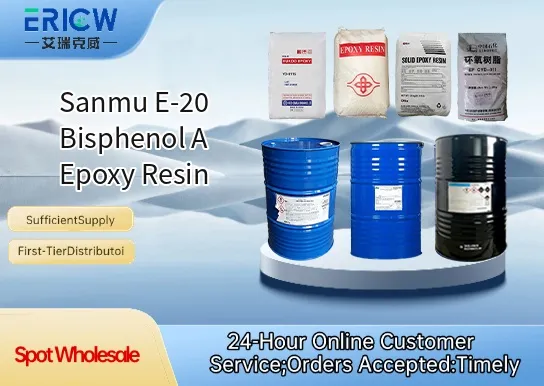
High purity bisphenol A-based epoxy resin with consistent epoxide equivalent weight (EEW) for reliable reactivity control.
Low viscosity at room temperature, enabling excellent processability in coating, adhesive, and composite manufacturing.
Superior thermal stability and mechanical strength after curing with standard amine or anhydride hardeners.
Excellent adhesion to metals, fiberglass, and various substrates without requiring surface priming.
Compliant with RoHS and REACH regulations, suitable for environmentally sensitive industrial applications.
Structural adhesives for aerospace and automotive bonding assemblies.
High-performance protective coatings for marine and offshore steel structures.
Electrical encapsulation and potting compounds for power electronics and transformers.
Matrix resin in fiber-reinforced composites for wind turbine blades and sporting goods.
Base resin for UV-curable and hybrid epoxy-acrylate formulations in industrial printing inks.
| Chemical Type | Bisphenol A diglycidyl ether (DGEBA) epoxy resin |
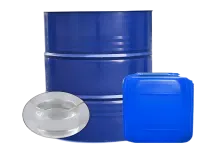
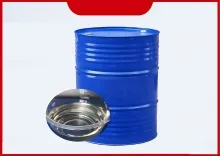
| Product Form | Liquid, low-viscosity resin |
| Appearance | Pale yellow to water-white, transparent liquid |
| Epoxide Equivalent Weight (EEW) | 185–192 g/eq |
| Viscosity at 25°C | 12,000–16,000 cP |
| Chloride Content | ≤ 500 ppm |
| Softening Point | 12–18°C |
| Storage Stability | ≥ 12 months at <25°C in sealed containers |
Q1: What is the typical role of Sanmu E-20 in epoxy formulations?
A: Sanmu E-20 serves as a standard-grade liquid bisphenol A epoxy resin, primarily used as the base resin component in two-component epoxy systems. It provides structural backbone, adhesion, chemical resistance, and thermal stability—enabling performance in coatings, adhesives, and electrical encapsulation applications.
Q2: How does Sanmu E-20 compare to higher-molecular-weight solid epoxy resins?
A: Unlike solid resins, Sanmu E-20 is a low-viscosity liquid at room temperature, offering easier handling, solvent-free blending, and improved wetting of substrates. It is particularly suited for applications requiring ambient or low-temperature curing without excessive heating or diluent addition.
Q3: Which hardeners are commonly compatible with Sanmu E-20?
A: Sanmu E-20 exhibits broad compatibility with amine-based hardeners—including aliphatic, cycloaliphatic, and aromatic amines—as well as anhydrides and latent catalysts. Selection depends on desired cure speed, service temperature, and mechanical properties; formulation optimization is recommended for each end-use.
Q4: Is Sanmu E-20 suitable for food-contact or potable water applications?
A: Sanmu E-20 is not pre-certified for direct food contact or drinking water applications. Its suitability must be evaluated case-by-case based on final cured system testing, regulatory requirements of the target market, and approval by relevant authorities—formulators should consult technical support and conduct appropriate compliance assessments.
Q5: What storage conditions are recommended to maintain product stability?
A: Store Sanmu E-20 in tightly sealed containers under cool, dry conditions, away from moisture, strong oxidizers, and direct sunlight. Prolonged exposure to elevated temperatures or humidity may lead to viscosity increase or premature reaction; shelf life is typically 12 months from date of manufacture when stored properly.
Contact With Us:
E-mail: wangxingqiang@ericwchem.com
Have a Questions? Call Us:
Add:
Building A1, Jiete Industrial Park, Huangpu District, Guangzhou City, Guangdong Province, China