English
 Español
 tiếng việt
 русский
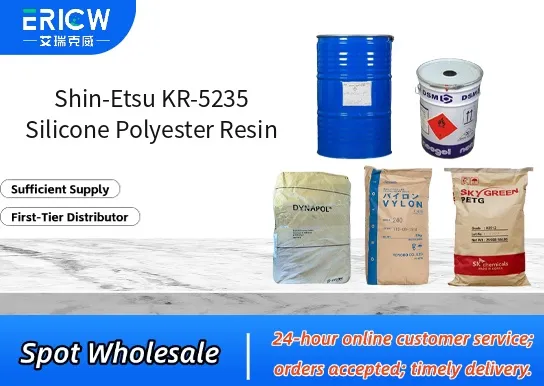
Excellent heat resistance up to 200 °C continuous service temperature.
Superior weatherability and UV stability for long-term outdoor performance.
Good compatibility with conventional polyester and acrylic resins in hybrid coating systems.
Enhanced flexibility and impact resistance compared to standard silicone-modified polyesters.
Low volatile organic compound (VOC) formulation suitable for environmentally compliant coatings.
Premium architectural metal coatings for roofing, wall panels, and façade systems.
High-durability coil coatings requiring extended color and gloss retention.
Industrial maintenance coatings for equipment exposed to elevated temperatures and harsh environments.
Pre-painted metal (PPM) finishes for HVAC components and solar mounting structures.
| Chemical Type | Silicone-modified polyester resin |
| Product Form | Clear to pale yellow liquid |
| Appearance | Homogeneous, low-viscosity solution |
| Primary Applications | Heat-resistant and weather-resistant coil and extrusion coatings |
| Key Features | Thermally stable, UV-resistant, flexible film-former |
| Benefits | Extended service life, reduced chalking, improved substrate adhesion |
| Solvent System | Aromatic hydrocarbon-based (e.g., xylene, Solvesso™) |
| Storage Stability | ≥12 months at 5–30 °C in sealed original container |
Q1: What is the primary function of KR-5235 in coating formulations?
A: KR-5235 is a reactive silicone-modified polyester resin designed to enhance surface performance—particularly improving slip, mar resistance, and substrate wetting—while maintaining compatibility with conventional polyester and acrylic resin systems in thermoset coatings.
Q2: Is KR-5235 suitable for high-bake industrial coil or can coatings?
A: Yes, KR-5235 is engineered for thermal stability in standard cure schedules (typically 180–220 °C), making it well-suited for coil, appliance, and metal decorating applications where durable, low-surface-energy finishes are required.
Q3: How is KR-5235 typically incorporated into a formulation?
A: It is generally added during the let-down stage as a reactive modifier—fully compatible with common solvents and crosslinkers such as TGIC or HMMM—and does not require pre-treatment or special dispersion equipment.
Q4: Does KR-5235 affect the gloss or film hardness of the final coating?
A: When used at recommended levels, KR-5235 delivers minimal impact on gloss retention and contributes to balanced film hardness without compromising flexibility—its silicone content primarily modifies surface properties rather than bulk mechanical behavior.
Contact With Us:
E-mail: wangxingqiang@ericwchem.com
Have a Questions? Call Us:
Add:
Building A1, Jiete Industrial Park, Huangpu District, Guangzhou City, Guangdong Province, China