English
 Español
 tiếng việt
 русский
Highly selective platinum-group metal (PGM) formulation optimized for low-temperature oxidation performance.
Thermally stable support structure ensuring consistent activity over extended operating cycles.
Low pressure drop design suitable for compact and modular reactor configurations.
Robust resistance to sulfur and halogen poisoning under industrial exhaust conditions.
Customizable pellet geometry for tailored flow distribution and mass transfer efficiency.
Volatile organic compound (VOC) abatement in chemical manufacturing off-gases.
Odor control and trace contaminant removal in wastewater treatment plant air streams.
Catalytic oxidation of solvents in pharmaceutical coating and drying exhaust systems.
Energy-efficient emission control for paint and coating curing ovens.
Pre-combustion catalytic conditioning in biogas upgrading units.
| Chemical Type | Pt-Pd/Rh on high-surface-area ceramic support |
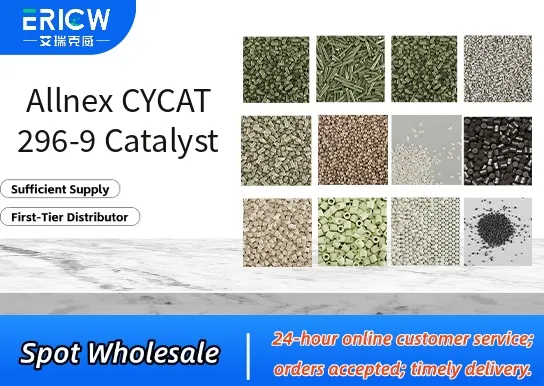
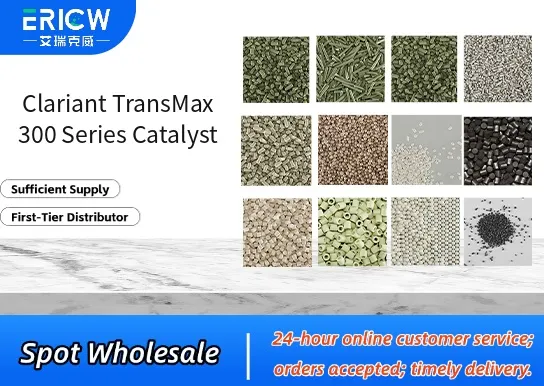
| Product Form | Cylindrical pellets (3.0 mm diameter × 3.0 mm length) |
| Appearance | Gray-black, free-flowing granular solid |
| Primary Applications | Low-temperature catalytic oxidation of hydrocarbons and oxygenates |
| Key Features | High metal dispersion, thermal shock resistance, low light-off temperature |
| Benefits | Reduced energy consumption, extended service life, compliance with EU BAT guidelines |
| Storage Conditions | Store in dry, well-ventilated area; avoid exposure to moisture and reducing atmospheres |
| Handling Precautions | Use appropriate PPE; avoid inhalation of dust during loading/unloading |
Q1: What is the primary function of Umicore Valikat ZB1001 in polymer processing?
A: Valikat ZB1001 is a specialized transition metal-based catalyst designed to accelerate crosslinking reactions—particularly in peroxide-cured elastomers and thermosetting resins—enhancing cure efficiency, scorch safety, and final network uniformity.
Q2: Is Valikat ZB1001 compatible with common elastomer systems such as EPDM, silicone, or fluoroelastomers?
A: Yes, it demonstrates broad compatibility with saturated and unsaturated elastomers including EPDM, ACM, and certain silicone formulations. Performance in fluoroelastomers may require formulation-specific evaluation due to potential interactions with fluorine-rich environments.
Q3: How should Valikat ZB1001 be incorporated into a compound to ensure optimal dispersion and activity?
A: It is typically introduced during the non-productive mixing stage, after base polymer incorporation but before peroxide addition. Pre-dispersion in a carrier oil or masterbatch is recommended for uniform distribution, especially in high-viscosity systems.
Q4: Does Valikat ZB1001 affect the thermal stability or post-cure behavior of cured compounds?
A: It supports controlled, low-temperature initiation of crosslinking and generally contributes to improved thermal stability of the vulcanizate by promoting a more homogeneous and stable network structure—without introducing volatile decomposition products under standard processing conditions.
Q5: What are the key handling and storage recommendations for this catalyst?
A: Store in original sealed containers under dry, cool conditions (below 25 °C) and protect from moisture and direct sunlight. Avoid prolonged exposure to ambient humidity, as some catalytic components may be sensitive to hydrolysis. Always follow standard industrial hygiene practices during handling.
Contact With Us:
E-mail: wangxingqiang@ericwchem.com
Have a Questions? Call Us:
Add:
Building A1, Jiete Industrial Park, Huangpu District, Guangzhou City, Guangdong Province, China