English
 Español
 tiếng việt
 русский
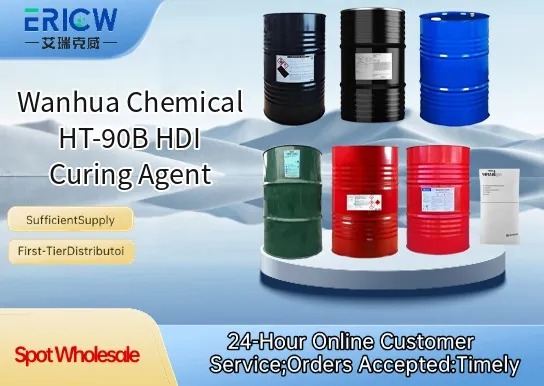
High reactivity with hydroxyl-functional resins, enabling rapid curing at ambient or low-temperature conditions.
Excellent yellowing resistance and long-term UV stability for high-clarity and durable coatings.
Low viscosity and good compatibility with acrylic, polyester, and polycarbonate polyols.
Non-crystalline liquid form ensures consistent handling and easy metering in industrial dispensing systems.
Meets stringent VOC regulations with negligible monomer content and no added solvents.
Automotive clearcoats and basecoats requiring high gloss, chip resistance, and weatherability.
Industrial maintenance coatings for metal substrates in architectural and infrastructure projects.
High-performance plastic coatings for automotive interior trim and electronic housings.
UV-resistant topcoats for outdoor signage, agricultural equipment, and transportation components.
Two-component (2K) polyurethane systems used in premium wood finishing and furniture applications.
| Chemical Type | Aliphatic HDI-based polyisocyanate (trimer) |
| Product Form | Clear, colorless to pale yellow liquid |
| Appearance | Homogeneous, transparent liquid without sediment |
| NCO Content (wt%) | 18.5–19.5% |
| Viscosity (25°C, mPa·s) | 1,200–1,800 |
| Density (25°C, g/cm³) | 1.18–1.22 |
| Flash Point (°C, closed cup) | 145–155 |
| Storage Stability (unopened, 25°C) | ≥12 months |
Q1: What is the primary function of HT-90B in coating and adhesive formulations?
A: HT-90B is a low-viscosity, aliphatic HDI-based polyisocyanate curing agent designed to react with hydroxyl-functional resins (e.g., polyesters, acrylics, or polyethers) to form durable, weather-resistant polyurethane networks. It enables ambient- or low-bake cure profiles while supporting excellent gloss retention and UV stability.
Q2: How does HT-90B compare to traditional HDI biuret or IPDI-based curing agents?
A: HT-90B offers improved compatibility with a broader range of hydroxyl resins and enhanced pot life compared to conventional HDI biuret types, due to its tailored molecular architecture and controlled NCO functionality. It also provides better film formation and reduced sensitivity to moisture during application than many IPDI derivatives.
Q3: Is HT-90B suitable for high-solids or solvent-reduced coatings?
A: Yes — HT-90B’s low viscosity and high NCO content make it well-suited for high-solids, low-VOC, and solvent-reduced systems. It helps maintain workable mix viscosity and supports efficient crosslinking without excessive solvent demand.
Q4: What are typical handling and storage recommendations for HT-90B?
A: Store in tightly sealed containers under dry, cool conditions (below 30°C), protected from moisture, heat, and direct sunlight. Avoid prolonged exposure to ambient humidity during handling, as isocyanates are moisture-sensitive. Use appropriate PPE (gloves, goggles, respirator) when dispensing or mixing.
Q5: Can HT-90B be used in food-contact or indirect food-contact coatings?
A: HT-90B is not pre-approved for direct food-contact applications. Its suitability for indirect food-contact use depends on full formulation compliance with applicable regional regulatory frameworks (e.g., FDA 21 CFR, EU Framework Regulation), including complete crosslinking, post-cure conditions, and migration testing of the final cured film.
Contact With Us:
E-mail: wangxingqiang@ericwchem.com
Have a Questions? Call Us:
Add:
Building A1, Jiete Industrial Park, Huangpu District, Guangzhou City, Guangdong Province, China