English
 Español
 tiếng việt
 русский

Highly selective for low-temperature ammonia synthesis under moderate pressure conditions.
Enhanced thermal stability with optimized ruthenium–carbon support architecture.
Reduced activation energy requirement compared to conventional iron-based catalysts.
Consistent long-term activity retention during continuous operation in industrial reactors.
Engineered for rapid start-up and stable performance across variable feed gas compositions.
Small-to-medium-scale on-site ammonia production units.
Renewable ammonia synthesis using green hydrogen and captured CO₂-derived nitrogen.
Modular fertilizer plants requiring compact, high-efficiency catalytic systems.
Carbon-intensity-reduction retrofits for legacy Haber-Bosch facilities.
Hybrid electrochemical–thermocatalytic ammonia synthesis platforms.
| Chemical Type | Ruthenium-based supported catalyst |
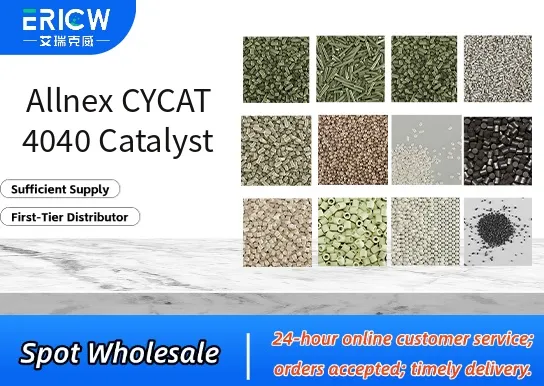
| Product Form | Extruded cylindrical pellets (3 mm diameter × 3–5 mm length) |
| Appearance | Gray-black granular solid |
| Primary Applications | Low-pressure ammonia synthesis |
| Key Features | High selectivity, low-temperature activity, sulfur-tolerant formulation |
| Recommended Operating Temperature | 350–420 °C |
| Recommended Operating Pressure | 50–150 bar |
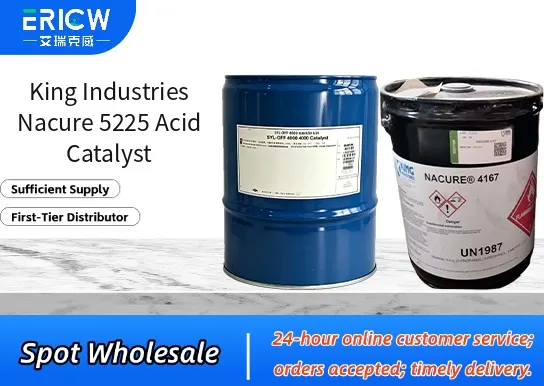
| Storage Requirement | Keep sealed under inert atmosphere; avoid moisture and air exposure |
Q1: What is the primary function of the T-9 Catalyst in polyurethane systems?
A: The T-9 Catalyst is a tin-based tertiary amine catalyst designed to selectively promote the urethane reaction (isocyanate–polyol coupling) over the urea or gelation reactions, enabling precise control of cream time, rise profile, and final cure in flexible and rigid foam formulations.
Q2: Is T-9 compatible with other common polyurethane catalysts?
A: Yes, T-9 is frequently used in combination with amine catalysts such as DABCO® 33-LV or TEDA-L36, allowing formulators to fine-tune reactivity balance—especially for achieving optimal flow, cell structure, and demold time in molded or slabstock foams.
Q3: How should T-9 be handled and stored to maintain performance stability?
A: T-9 should be stored in tightly sealed containers under dry, inert conditions at ambient temperature. It is moisture-sensitive and may degrade upon prolonged exposure to humidity or air; therefore, minimizing headspace and avoiding repeated container opening is recommended for long-term activity retention.
Q4: Can T-9 be used in low-emission or regulatory-compliant foam systems?
A: While T-9 itself contains organotin functionality, it is typically used at low concentrations in finished foams where residual tin levels fall well within industry-accepted thresholds for many end-use applications. Formulators should conduct full system testing—including emissions profiling—to verify compliance with target regulatory or sustainability requirements.
Contact With Us:
E-mail: wangxingqiang@ericwchem.com
Have a Questions? Call Us:
Add:
Building A1, Jiete Industrial Park, Huangpu District, Guangzhou City, Guangdong Province, China