English
 Español
 tiếng việt
 русский
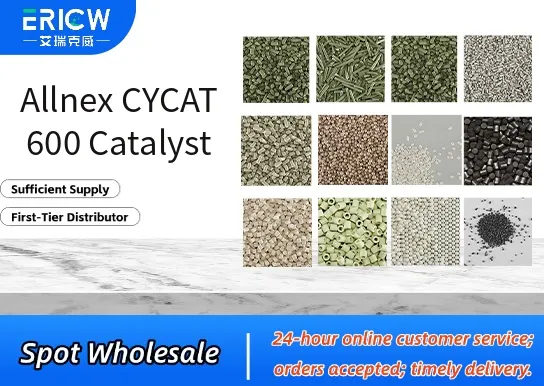
Highly efficient tin-based catalyst for urethane and esterification reactions.
Excellent storage stability with low volatility and minimal odor.
Enables precise reaction control in thermoset resin systems.
Compatible with polyester, alkyd, and acrylic resin formulations.
Supports low-VOC and solvent-reduced coating applications.
Automotive refinish coatings.
Industrial maintenance and coil coatings.
Wood furniture and cabinetry finishes.
General-purpose protective coatings.
UV-curable hybrid and dual-cure systems.
| Chemical Type | Tin(II) 2-ethylhexanoate |
| Product Form | Liquid |
| Appearance | Clear, colorless to pale yellow liquid |
| Primary Applications | Polyurethane curing, polyester synthesis, alkyd crosslinking |
| Key Features | Fast-reacting, low-temperature active, non-yellowing |
| Benefits | Improved pot life control, enhanced film hardness development, reduced gel time variability |
| Solubility | Miscible with common organic solvents (e.g., xylene, butyl acetate, MEK) |
| Storage Conditions | Store in tightly closed containers at 15–25°C; protect from moisture |
Q1: What is the primary function of CYCAT 600 in coating and ink formulations?
A: CYCAT 600 is a highly efficient acid catalyst designed to accelerate the crosslinking reaction between melamine-formaldehyde resins and hydroxyl-functional binders—commonly used in thermosetting coatings, coil coatings, and packaging inks. It promotes rapid cure at elevated temperatures while supporting good pot life at ambient conditions.
Q2: How does CYCAT 600 compare to traditional p-toluenesulfonic acid (pTSA) catalysts?
A: CYCAT 600 offers improved thermal latency and reduced volatility compared to pTSA, resulting in better handling safety, lower odor, and enhanced storage stability in formulated systems. Its tailored molecular structure also supports more consistent cure profiles and reduced risk of premature gelation.
Q3: What is the typical dosage range for CYCAT 600 in standard industrial coatings?
A: Dosage depends on formulation requirements, resin type, and cure schedule, but CYCAT 600 is typically used at low concentrations—generally ranging from 0.1% to 2% by weight relative to total non-volatile content. Optimization through small-scale trials is recommended to balance cure speed, film properties, and shelf life.
Q4: Is CYCAT 600 compatible with water-based systems?
A: CYCAT 600 is primarily formulated for solvent-borne and high-solids thermoset systems. While limited compatibility may be achieved in some stabilized aqueous dispersions, it is not optimized for conventional water-based coatings and may require careful pH and emulsion stability evaluation prior to use.
Contact With Us:
E-mail: wangxingqiang@ericwchem.com
Have a Questions? Call Us:
Add:
Building A1, Jiete Industrial Park, Huangpu District, Guangzhou City, Guangdong Province, China