English
 Español
 tiếng việt
 русский
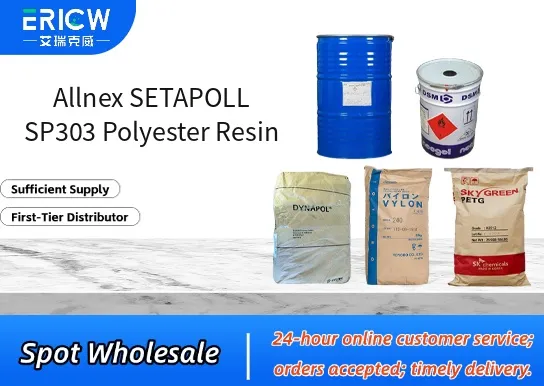
High-solids, low-viscosity unsaturated polyester resin designed for excellent processability in spray and brush application methods.
Offers balanced reactivity with standard MEKP initiators, enabling reliable gel time control and consistent cure performance.
Delivers superior surface hardness and gloss retention in cured laminates and topcoats.
Provides good chemical resistance to water, dilute acids, and alkaline solutions in finished composites.
Formulated for low styrene emission potential, supporting improved workplace air quality and regulatory compliance.
Fiberglass-reinforced plastic (FRP) components for architectural cladding and façade systems.
Marine deck coatings and non-skid surfacing systems requiring abrasion resistance and UV stability.
Industrial tank linings and corrosion-resistant secondary containment structures.
Pultruded profiles for infrastructure applications including gratings, ladders, and handrails.
Decorative gelcoats and clear topcoats for molded composite panels and signage substrates.
| Chemical Type | Unsaturated polyester resin |
| Product Form | Liquid |
| Appearance | Clear to pale yellow viscous liquid |
| Solids Content (wt%) | ≈ 99.5% |
| Viscosity at 25°C (mPa·s) | 800–1,200 |
| Density at 25°C (g/cm³) | 1.11–1.13 |
| Primary Applications | Gelcoats, topcoats, laminating resins, FRP manufacturing |
| Key Features | High solids, low viscosity, good hardness development, low styrene emission profile |
Q1: What is the primary application area for SETAPOLL SP303?
A: SETAPOLL SP303 is a solvent-free, low-viscosity unsaturated polyester resin designed primarily for high-performance powder coating systems—especially where excellent flow, smooth film formation, and good mechanical resistance are required.
Q2: Is SETAPOLL SP303 suitable for food-contact compliant coatings?
A: While SETAPOLL SP303 itself is not inherently food-contact certified, it may be incorporated into formulations that comply with relevant food-contact regulations—subject to full system evaluation, appropriate curing conditions, and final regulatory review by the end-user or their regulatory consultant.
Q3: How does SP303 compare to conventional liquid polyesters in powder coatings?
A: Unlike traditional liquid polyesters, SP303 offers inherent low melt viscosity and excellent storage stability in solid form, enabling improved processability during extrusion and enhanced film appearance without requiring high levels of reactive diluents or plasticizers.
Q4: What type of curing agents are typically used with SETAPOLL SP303?
A: SP303 is formulated to react efficiently with standard aromatic and aliphatic crosslinkers such as triglycidyl isocyanurate (TGIC) and hydroxyalkyl amide (HAA) systems, offering flexibility in selecting cure chemistry based on performance and regulatory requirements.
Contact With Us:
E-mail: wangxingqiang@ericwchem.com
Have a Questions? Call Us:
Add:
Building A1, Jiete Industrial Park, Huangpu District, Guangzhou City, Guangdong Province, China