English
 Español
 tiếng việt
 русский
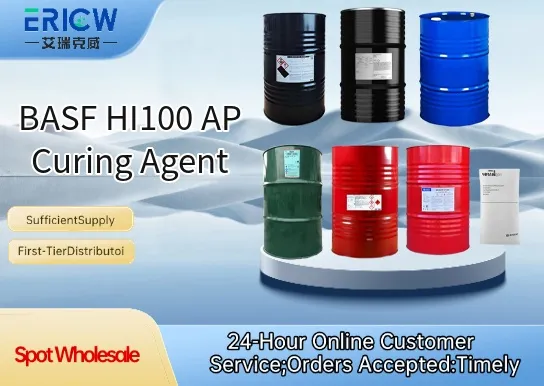
Advanced amine-functional polyamide technology enabling rapid ambient-cure performance.
Excellent compatibility with standard epoxy resins, including solid and liquid bisphenol-A types.
Low viscosity formulation ensures easy handling, precise metering, and homogeneous mixing.
Superior chemical resistance in cured systems—particularly against alkalis, solvents, and mild acids.
Low exotherm profile supports thick-section casting and minimizes internal stress development.
Industrial flooring systems requiring fast return-to-service and high abrasion resistance.
Protective coatings for steel infrastructure, including bridges, pipelines, and storage tanks.
Electrical encapsulation and potting compounds for transformers and power electronics.
Adhesives and structural bonding solutions in automotive and wind energy composite assembly.
Repair mortars and grouts for concrete rehabilitation in civil engineering projects.
| Chemical Type | Polyamide-based amine curing agent |
| Product Form | Liquid |
| Appearance | Ambient-clear to pale yellow, low-viscosity liquid |
| Primary Applications | Epoxy resin curing for coatings, adhesives, and composites |
| Key Features | Ambient-curing, low-odor, non-sedimenting |
| Benefits | Fast handling strength, excellent adhesion to metals and concrete |
| Storage Stability | 12 months at 15–25 °C in original sealed container |
| Reactivity Class | Medium-reactive (standard ambient cure, enhanced by mild heat) |
Q1: What is the primary function of BASF HI100 AP in epoxy systems?
A: BASF HI100 AP is an amine-based curing agent designed to react with epoxy resins, enabling crosslinking at ambient or slightly elevated temperatures. It delivers balanced pot life, rapid development of handling strength, and good chemical resistance in the final cured network.
Q2: Is HI100 AP suitable for food-contact or potable water applications?
A: HI100 AP is not pre-qualified for direct food-contact or potable water applications. Its suitability must be evaluated case-by-case based on full formulation, cure conditions, and applicable regulatory requirements. Customers are advised to conduct appropriate migration and compliance testing before use in such sensitive applications.
Q3: How does HI100 AP compare to conventional aliphatic amines in terms of odor and handling?
A: HI100 AP exhibits significantly lower volatility and reduced amine odor compared to many standard aliphatic amines, improving workplace comfort and reducing ventilation demands during mixing and application. It also offers better compatibility with common epoxy resins and reduced surface tackiness in humid conditions.
Q4: What are typical dosage guidelines for HI100 AP in standard epoxy formulations?
A: Dosage depends on the specific epoxy resin, desired cure profile, and end-use requirements. Generally, HI100 AP is used at low concentrations—typically ranging from 0.1% to 2% by weight relative to the epoxy resin—and is often employed as a co-curing agent rather than a primary hardener.
Q5: Can HI100 AP be used in high-humidity or low-temperature environments?
A: Yes—HI100 AP demonstrates improved moisture tolerance compared to many standard amine hardeners, supporting more reliable curing under moderate humidity. It also initiates reaction at temperatures as low as 5–10 °C, though full property development benefits from post-cure at ambient or mild elevated temperatures.
Contact With Us:
E-mail: wangxingqiang@ericwchem.com
Have a Questions? Call Us:
Add:
Building A1, Jiete Industrial Park, Huangpu District, Guangzhou City, Guangdong Province, China