English
 Español
 tiếng việt
 русский
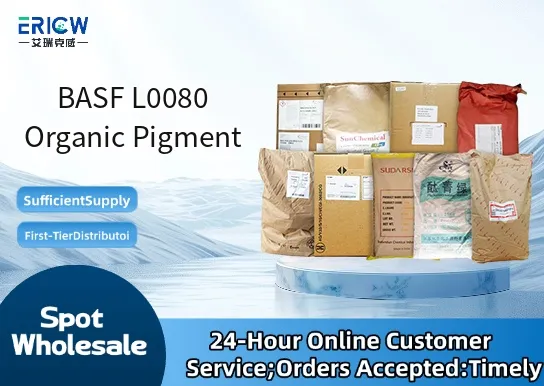
High chroma and excellent color strength for vivid, consistent hue reproduction.
Outstanding thermal stability up to 280 °C, suitable for high-temperature polymer processing.
Good lightfastness (ISO 105-B02: Grade 7–8) and weather resistance in demanding outdoor applications.
Low volatility and minimal migration in PVC, polyolefins, and engineering thermoplastics.
Optimized particle size distribution for enhanced dispersion and rheological performance in liquid systems.
Coloration of polypropylene (PP) and polyethylene (PE) fibers and injection-molded parts.
Pigmenting rigid and flexible PVC for profiles, flooring, and cable sheathing.
High-performance automotive interior plastics requiring long-term color stability.
Masterbatch formulations for food-contact-compliant packaging films (EU 10/2011 compliant).
Industrial coatings and coil coatings where gloss retention and UV resistance are critical.
| Chemical Type | Quinacridone derivative |
| Product Form | Free-flowing powder |
| Appearance | Violet-red free-flowing powder |
| Primary Applications | Polyolefins, PVC, engineering plastics, masterbatches |
| Key Features | High thermal stability, low migration, excellent dispersibility |
| Benefits | Consistent batch-to-batch color, reduced dosage requirement, broad processability |
| Regulatory Compliance | REACH registered; compliant with FDA 21 CFR §178.3297 (for indirect food contact) |
| Recommended Processing Temperature Range | 180–280 °C |
Q1: What is the primary chemical class and typical hue profile of BASF L0080?
A: BASF L0080 is a high-performance perylene-based organic pigment, offering strong bluish-red to maroon shade characteristics with excellent chroma and clean undertones. Its molecular structure delivers inherent stability advantages over conventional azo pigments.
Q2: Is BASF L0080 suitable for use in food-contact plastics?
A: BASF L0080 is not authorized for direct food-contact applications under major global regulatory frameworks. It is intended for non-food-contact industrial plastics, coatings, and specialty inks where high thermal and lightfastness are required.
Q3: What is the recommended dispersion method for optimal color development in thermoplastics?
A: For best results in thermoplastics such as polyolefins or engineering resins, high-shear melt compounding—using twin-screw extrusion with optimized temperature profiles and residence time—is strongly recommended. Pre-dispersed masterbatches are also widely used to ensure uniform distribution and minimize agglomeration.
Q4: How does BASF L0080 perform under outdoor weathering conditions?
A: Due to its perylene backbone, BASF L0080 exhibits outstanding resistance to UV radiation and atmospheric exposure. It maintains color strength and hue stability significantly longer than many standard organic reds in exterior plastic applications, especially when combined with appropriate UV stabilizers.
Q5: What is the typical dosage range in polymer systems?
A: Dosage depends on the desired color intensity and substrate opacity, but BASF L0080 is typically used at low concentrations—generally ranging from 0.1% to 2% by weight in final polymer formulations—to achieve full coverage and optimal performance balance.
Contact With Us:
E-mail: wangxingqiang@ericwchem.com
Have a Questions? Call Us:
Add:
Building A1, Jiete Industrial Park, Huangpu District, Guangzhou City, Guangdong Province, China