English
 Español
 tiếng việt
 русский
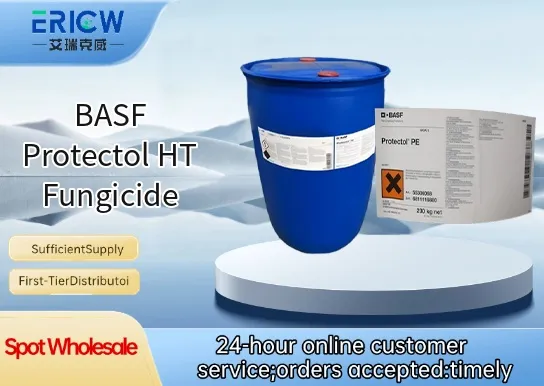
Highly effective broad-spectrum fungicidal activity against key wood-decaying and stain fungi, including *Coniophora puteana*, *Trametes versicolor*, and *Serpula lacrymans*.
Excellent leach resistance due to strong fixation within timber substrates, ensuring long-term protection in demanding outdoor applications.
Low volatility and minimal odor profile, supporting safer handling and compliance with occupational health and safety requirements.
Compatible with common wood preservative systems and processing methods, including vacuum-pressure impregnation (VPI) and spray application.
Stable under typical storage conditions (5–30 °C) and retains efficacy across a wide pH range (4–9) in formulation matrices.
Protective treatment of utility poles and railway sleepers exposed to soil and moisture.
Preservation of structural timber for residential and commercial construction, including framing, decking, and cladding.
Protection of landscape timbers, garden furniture, and outdoor playground equipment.
Industrial wood packaging (e.g., pallets, crates) requiring durable biological resistance in humid or tropical environments.
Treatment of engineered wood products such as glulam beams and LVL (laminated veneer lumber) for extended service life.
| Chemical Type | Tebuconazole-based fungicide (active ingredient), formulated with synergistic co-biocides |
| Product Form | Liquid concentrate (water-miscible emulsifiable concentrate) |
| Appearance | Amber to light brown homogeneous liquid |
| Primary Applications | Wood preservation for above-ground and ground-contact use |
| Key Features | Broad-spectrum antifungal, low leaching, VPI-compatible, non-corrosive to metals |
| Benefits | Extended service life of treated timber, reduced maintenance costs, regulatory compliance support (EU Biocidal Products Regulation) |
| Storage Stability | ≥24 months at 5–30 °C in original sealed container |
| Flash Point | ≥65 °C (closed cup, ASTM D93) |
Q1: What types of formulations is BASF Protectol HT Fungicide typically used in?
A: Protectol HT is primarily designed for use in water-based industrial coatings, adhesives, sealants, construction chemicals, and non-aqueous polymer emulsions where long-term fungal resistance is required. It is especially valued in applications exposed to humid or damp conditions.
Q2: How does Protectol HT differ from other isothiazolinone-based biocides?
A: Protectol HT features a proprietary stabilized formulation that offers enhanced hydrolytic stability and reduced volatility compared to conventional isothiazolinones, supporting broader compatibility and improved shelf-life in demanding systems without compromising antifungal efficacy.
Q3: Is Protectol HT suitable for use in interior architectural coatings?
A: Yes — Protectol HT is widely applied in interior wall paints and primers to prevent mold and mildew growth on dried films, particularly in high-humidity environments such as bathrooms and basements. Its low odor profile and film compatibility support end-user acceptance.
Q4: What is the recommended addition method for optimal performance?
A: Protectol HT should be added during the post-emulsification or let-down stage, preferably at ambient temperature and under moderate agitation, to ensure uniform dispersion. Avoid prolonged exposure to strongly alkaline conditions or elevated temperatures during incorporation.
Contact With Us:
E-mail: wangxingqiang@ericwchem.com
Have a Questions? Call Us:
Add:
Building A1, Jiete Industrial Park, Huangpu District, Guangzhou City, Guangdong Province, China