English
 Español
 tiếng việt
 русский
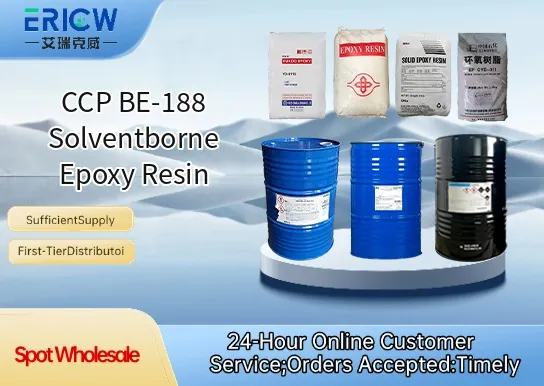
High molecular weight bisphenol-A based epoxy resin offering excellent chemical resistance and thermal stability.
Optimized solubility in common organic solvents including xylene, toluene, and ketones for easy formulation handling.
Consistent epoxy equivalent weight (EEW) ensures predictable crosslink density and reliable film performance.
Low volatile organic compound (VOC) content compliant with industrial coating regulatory requirements.
Superior adhesion to steel, aluminum, and concrete substrates without mandatory surface priming.
Heavy-duty protective coatings for offshore platforms and marine infrastructure.
Industrial maintenance coatings for chemical processing equipment and storage tanks.
Anti-corrosive primers and mid-coats in automotive underbody and chassis protection systems.
Electrical insulation varnishes for transformers and motor windings.
High-performance floor coatings in pharmaceutical and food-grade manufacturing facilities.
| Chemical Type | Bisphenol-A epoxy resin |
| Product Form | Viscous liquid |
| Appearance | Pale yellow to amber transparent liquid |
| Epoxy Equivalent Weight (EEW) | 470–490 g/eq |
| Softening Point | 25–32 °C |
| Viscosity (25 °C) | 8,000–12,000 cP |
| Solvent Content | Non-solvent (100% reactive resin) |
| Primary Applications | Protective coatings, primers, electrical encapsulants |
Q1: What are the primary application areas for CCP BE-188?
A: CCP BE-188 is widely used in high-performance protective coatings for industrial steel structures, marine environments, and concrete substrates. It is also employed in solventborne epoxy primers, intermediate coats, and chemical-resistant topcoats where good adhesion, corrosion protection, and compatibility with amine hardeners are required.
Q2: Is CCP BE-188 compatible with common amine-based curing agents?
A: Yes, CCP BE-188 exhibits broad compatibility with standard aliphatic, cycloaliphatic, and aromatic amine hardeners, as well as polyamide and modified polyamine systems. Optimal cure performance and film properties depend on proper stoichiometric balance and application conditions.
Q3: How does CCP BE-188 compare to waterborne epoxy resins in terms of film formation and pot life?
A: As a solventborne system, CCP BE-188 offers excellent flow, leveling, and intercoat adhesion without the sensitivity to ambient humidity or extended coalescence requirements typical of many waterborne epoxies. Its pot life is generally longer than highly reactive waterborne dispersions, supporting flexible mixing and application windows in industrial settings.
Q4: What solvents are recommended for dilution and cleanup?
A: Standard aromatic and aliphatic hydrocarbon solvents—such as xylene, mineral spirits, and high-flash naphthas—are typically suitable for viscosity adjustment and equipment cleaning. Compatibility and evaporation rate should be verified during formulation development to maintain optimal film integrity and application properties.
Contact With Us:
E-mail: wangxingqiang@ericwchem.com
Have a Questions? Call Us:
Add:
Building A1, Jiete Industrial Park, Huangpu District, Guangzhou City, Guangdong Province, China