English
 Español
 tiếng việt
 русский
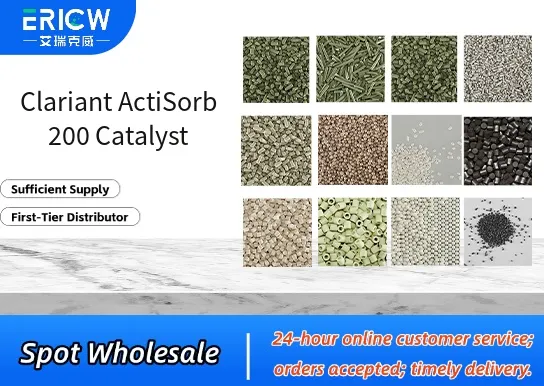
Highly selective palladium-based heterogeneous catalyst for hydrogenation reactions.
Engineered with optimized metal dispersion and thermal stability for consistent batch-to-batch performance.
Low leaching profile ensures minimal metal contamination in final products—critical for pharmaceutical and fine chemical synthesis.
Designed for easy handling and filtration, reducing processing time and operational downtime.
Compatible with standard slurry-phase hydrogenation reactors under mild to moderate pressure conditions (1–10 bar H₂).
Selective reduction of nitroarenes to aromatic amines in pharmaceutical intermediates.
Hydrogenation of alkenes and alkynes in agrochemical active ingredient synthesis.
Debenzylation of protected amines and alcohols in peptide and nucleotide chemistry.
Catalytic purification of specialty solvents via trace impurity removal (e.g., nitro compounds, sulfur species).
Continuous-flow hydrogenation in microreactor and fixed-bed systems for scalable green manufacturing.
| Chemical Type | Palladium on activated carbon (Pd/C) |
| Product Form | Free-flowing black granular solid |
| Appearance | Black, non-dusting granules |
| Palladium Content | 5 wt% Pd (nominal) |
| Primary Applications | Hydrogenation, deprotection, reductive amination |
| Key Features | High activity, low metal leaching, excellent reproducibility |
| Benefits | Reduced catalyst loading, simplified workup, compliant with ICH Q3D guidelines |
| Storage Condition | Store dry at room temperature under inert atmosphere |
Q1: What is the primary function of ActiSorb 200 in polymer processing?
A: ActiSorb 200 is a solid, heterogeneous catalyst designed to promote controlled crosslinking and post-polymerization reactions—particularly in thermoset resins and reactive polymer systems—enhancing thermal stability, mechanical performance, and cure efficiency under moderate temperature conditions.
Q2: Is ActiSorb 200 compatible with common industrial resin systems?
A: Yes, it demonstrates broad compatibility with epoxy, phenolic, and unsaturated polyester resins. Compatibility should be verified experimentally for specific formulations, especially when used alongside accelerators, fillers, or other catalytic additives.
Q3: How is ActiSorb 200 typically incorporated into a formulation?
A: It is generally added as a dry powder during the mixing stage, prior to curing. Due to its low solubility in organic media, uniform dispersion—via high-shear mixing or pre-blending with a carrier resin—is recommended to ensure consistent catalytic activity.
Q4: What are key handling and storage recommendations?
A: Store in a cool, dry place under inert atmosphere or sealed packaging to prevent moisture uptake and surface oxidation. Avoid prolonged exposure to ambient humidity or elevated temperatures before use, as this may affect catalytic onset behavior.
Contact With Us:
E-mail: wangxingqiang@ericwchem.com
Have a Questions? Call Us:
Add:
Building A1, Jiete Industrial Park, Huangpu District, Guangzhou City, Guangdong Province, China