English
 Español
 tiếng việt
 русский
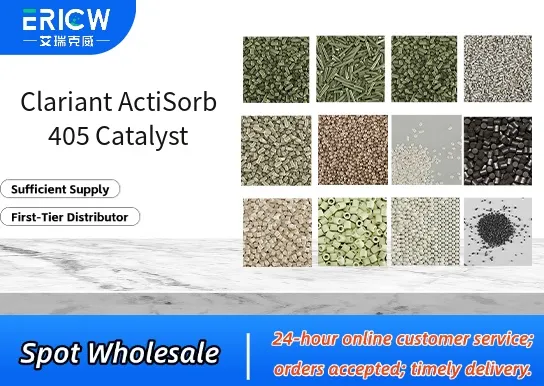
Highly selective palladium-based catalyst optimized for hydrogenation of nitroaromatics and alkenes under mild conditions.
Engineered with controlled metal dispersion on high-surface-area activated carbon support for consistent activity and reproducible performance.
Low leaching profile ensures product purity and reduces downstream metal contamination in fine chemical synthesis.
Thermally stable up to 120 °C, enabling robust operation across batch and continuous flow processes.
Supplied as a free-flowing, non-dusting granular solid for safe handling and easy reactor charging.
Hydrogenation of nitrobenzene to aniline in pharmaceutical intermediate manufacturing.
Selective reduction of unsaturated aldehydes and ketones in fragrance and flavor compound synthesis.
Catalytic dehalogenation of chlorinated aromatic compounds in agrochemical production.
Reductive amination reactions for active pharmaceutical ingredient (API) development.
Hydrogenation of α,β-unsaturated esters in polymer precursor synthesis.
| Chemical Type | Palladium on activated carbon |
| Product Form | Granules |
| Appearance | Black, free-flowing granules |
| Palladium Content | 5.0 wt% ± 0.3 wt% |
| Carbon Support Surface Area | ≥ 900 m²/g |
| Particle Size Range | 0.8–2.0 mm |
| Moisture Content | ≤ 5.0 wt% |
| Primary Applications | Hydrogenation, dehalogenation, reductive amination |
Q1: What is the primary function of ActiSorb 405 in polymer processing?
A: ActiSorb 405 is a solid-phase catalyst designed to promote controlled dehydrochlorination and stabilization of polyvinyl chloride (PVC) and related chlorinated polymers during high-temperature processing, helping to suppress discoloration and degradation.
Q2: Is ActiSorb 405 compatible with common PVC stabilizer systems?
A: Yes, ActiSorb 405 is formulated to be compatible with calcium–zinc, barium–zinc, and organotin-based stabilizer packages, and it is typically used as a synergistic co-stabilizer rather than a standalone system.
Q3: How is ActiSorb 405 typically incorporated into PVC formulations?
A: It is generally added during dry blending or high-speed mixing stages, and is often pre-dispersed in plasticizers or carrier resins to ensure uniform distribution. Dosage depends on formulation requirements but typically ranges from 0.1% to 2% by weight of the polymer.
Q4: Does ActiSorb 405 require special handling or storage conditions?
A: Yes — it should be stored in a cool, dry place, protected from moisture and direct sunlight. Prolonged exposure to humidity may affect its physical form and catalytic performance, so sealed packaging and controlled ambient conditions are recommended.
Contact With Us:
E-mail: wangxingqiang@ericwchem.com
Have a Questions? Call Us:
Add:
Building A1, Jiete Industrial Park, Huangpu District, Guangzhou City, Guangdong Province, China