English
 Español
 tiếng việt
 русский
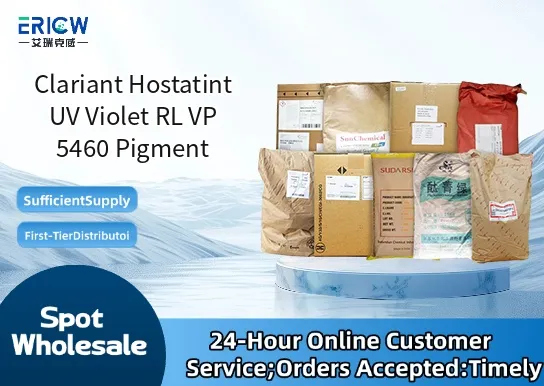
High chroma, clean UV violet shade with excellent lightfastness in demanding applications.
Optimized for high transparency and strong tinting strength in transparent plastic systems.
Excellent thermal stability suitable for processing temperatures up to 280 °C.
Good migration resistance in polyolefins and engineering thermoplastics.
Compliant with major global regulatory frameworks including EU REACH and US FDA 21 CFR for indirect food contact (subject to specific formulation and use conditions).
Polypropylene (PP) and polyethylene (PE) packaging films requiring vibrant, stable violet hues.
Automotive interior components such as dashboards, trim, and air vents.
Consumer electronics housings and accessories where color consistency and UV resistance are critical.
Household appliances including washing machine drums, refrigerator liners, and small appliance casings.
Transparent rigid packaging for cosmetics and personal care products.
| Chemical Type | Disazo pigment (C.I. Pigment Violet 23) |
| Product Form | Free-flowing granules |
| Appearance | Violet granules |
| Primary Applications | Transparent & opaque polyolefins, ABS, PS, PC, and PET |
| Key Features | High transparency, excellent dispersion, low dusting |
| Benefits | Consistent color batch-to-batch, reduced filter clogging, improved production efficiency |
| Recommended Carrier | Polyolefin-based masterbatch carrier |
| Storage Conditions | Store in original sealed packaging at 15–25 °C, protected from moisture and direct sunlight |
Q1: What is the primary application area for Hostatint UV Violet RL VP 5460?
A: This pigment is specifically engineered for high-performance UV-curable inks and coatings, including screen, inkjet, and flexographic formulations where intense violet shade, excellent photostability, and strong UV absorption are required.
Q2: Is Hostatint UV Violet RL VP 5460 compatible with common UV resin systems?
A: Yes — it demonstrates good compatibility with standard acrylate-based oligomers and monomers, including multifunctional urethane and epoxy acrylates. Compatibility should be verified in the final formulation due to potential interactions with photoinitiators or additives.
Q3: How does this pigment perform under prolonged UV exposure?
A: As a dedicated UV-curable system pigment, it offers enhanced resistance to photochemical degradation compared to conventional organic pigments, maintaining color strength and hue stability during and after UV curing.
Q4: What is the recommended dispersion method for optimal performance?
A: High-shear dispersion using three-roll mills or bead mills is recommended to achieve full deagglomeration. Pre-dispersed concentrates in compatible UV resins are also available and often simplify integration into production workflows.
Contact With Us:
E-mail: wangxingqiang@ericwchem.com
Have a Questions? Call Us:
Add:
Building A1, Jiete Industrial Park, Huangpu District, Guangzhou City, Guangdong Province, China