English
 Español
 tiếng việt
 русский
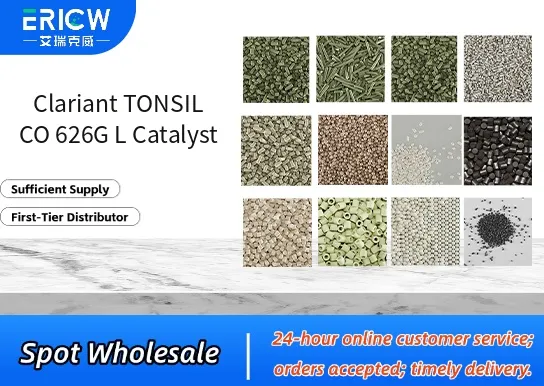
Highly selective acid catalyst optimized for low-temperature esterification and transesterification reactions.
Non-corrosive solid acid alternative to liquid mineral acids, enhancing process safety and equipment longevity.
Thermally stable up to 200 °C, enabling robust performance in continuous and batch reactor systems.
Regenerable and reusable under controlled thermal treatment, supporting sustainable manufacturing practices.
Low leaching behavior in polar reaction media, ensuring consistent catalytic activity and minimal product contamination.
Biodiesel production via transesterification of vegetable oils and waste cooking oils.
Synthesis of biodegradable lubricants and specialty esters for cosmetics and pharmaceuticals.
Esterification of fatty acids with short-chain alcohols in fragrance and flavor ingredient manufacturing.
Polyester precursor synthesis, including mono- and di-alkyl terephthalates in high-purity applications.
| Chemical Type | Sulfonated carbon-based solid acid catalyst |
| Product Form | Granular solid |
| Appearance | Black, free-flowing granules |
| Primary Applications | Esterification, transesterification, acetalization |
| Key Features | Non-corrosive, thermally stable, regenerable |
| Recommended Storage | Sealed container, dry conditions, ambient temperature |
| Handling Precautions | Use in well-ventilated area; avoid inhalation of dust |
Q1: What is the primary function of TONSIL CO 626G L in polymer processing?
A: TONSIL CO 626G L is a highly active clay-based catalyst designed to promote controlled crosslinking and condensation reactions—particularly in silicone rubber and RTV formulations—enhancing cure speed, green strength development, and final mechanical performance.
Q2: Is TONSIL CO 626G L compatible with platinum-catalyzed silicone systems?
A: No—TONSIL CO 626G L is specifically formulated for tin- or titanium-catalyzed condensation-cure systems. It is not recommended for use in addition-cure (platinum-catalyzed) silicones, as it may interfere with catalyst activity or cause premature gelation.
Q3: How should TONSIL CO 626G L be incorporated into a formulation?
A: It is typically added during the high-shear mixing stage, after base polymer and fillers are homogenized. Pre-dispersion in a portion of the liquid phase or solvent helps ensure uniform distribution. Avoid prolonged high-temperature exposure prior to curing to preserve catalytic integrity.
Q4: Does TONSIL CO 626G L require activation or pre-treatment before use?
A: No—TONSIL CO 626G L is supplied in an optimally activated, ready-to-use form. It does not require calcination, drying, or chemical modification prior to incorporation, though storage under dry conditions is recommended to maintain reactivity.
Q5: Can TONSIL CO 626G L be used in food-contact or medical-grade silicone applications?
A: Its suitability for regulated applications depends on full system validation—including extractables testing and compliance with applicable regional requirements. Clariant provides documentation support, but end-use approval must be confirmed by the compounder in accordance with final product specifications and regulatory pathways.
Contact With Us:
E-mail: wangxingqiang@ericwchem.com
Have a Questions? Call Us:
Add:
Building A1, Jiete Industrial Park, Huangpu District, Guangzhou City, Guangdong Province, China