English
 Español
 tiếng việt
 русский
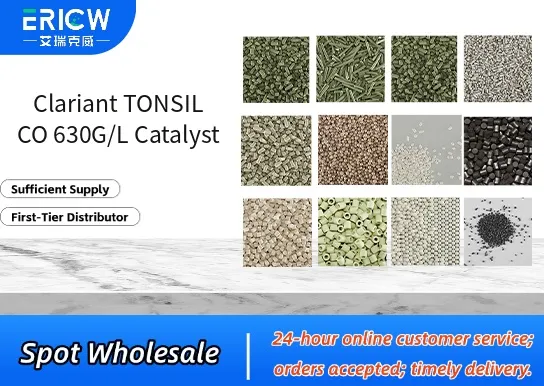
Highly selective cobalt-based homogeneous catalyst for low-pressure carbonylation reactions.
Optimized for consistent activity and stability under continuous industrial process conditions.
Delivered as a ready-to-use liquid solution (630 g/L Co in methanol), ensuring precise dosing and handling safety.
Compatible with standard stainless steel reactor systems and common process control instrumentation.
Reduced risk of metal precipitation or deactivation compared to solid-supported alternatives.
Acetic acid production via methanol carbonylation.
Synthesis of methyl acetate and ethyl acetate intermediates.
Production of acetic anhydride in integrated chemical plants.
Catalytic upgrading of bio-based methanol streams in green chemistry processes.
| Chemical Type | Cobalt(II) acetate monohydrate solution |
| Product Form | Liquid catalyst solution |
| Appearance | Clear, reddish-brown homogeneous liquid |
| Cobalt Concentration | 630 g/L (±10 g/L) |
| Solvent | Methanol (≥99.5% purity) |
| Density (20 °C) | Approx. 0.92–0.95 g/cm³ |
| Storage Temperature | 5–25 °C, protected from moisture and direct sunlight |
| Primary Applications | Methanol carbonylation, acetic acid synthesis |
Q1: What is the primary function of TONSIL CO 630G/L in polymer processing?
A: TONSIL CO 630G/L is a liquid-phase catalyst designed to support controlled crosslinking or condensation reactions—particularly in silicone-based and certain thermoset resin systems—enhancing cure efficiency and final network stability under moderate thermal conditions.
Q2: Is TONSIL CO 630G/L compatible with platinum-cure silicone formulations?
A: No—it is not intended for use in platinum-catalyzed addition-cure systems. It is formulated for condensation-cure silicones and select non-platinum catalytic chemistries where tin- or titanium-based activity is appropriate and compatible with the base polymer system.
Q3: How should TONSIL CO 630G/L be handled and stored to maintain performance?
A: Store in original sealed containers at temperatures between 5 °C and 30 °C, protected from moisture, direct sunlight, and strong oxidizing agents. Prior to use, ensure thorough mixing if phase separation occurs during prolonged storage, and avoid contamination with water or acidic residues.
Q4: What is the typical dosage range for effective catalysis?
A: Dosage depends on formulation requirements and desired cure profile, but it is typically used at low concentrations—generally ranging from 0.1% to 2% by weight relative to the total reactive components—and should be optimized via small-scale trials.
Contact With Us:
E-mail: wangxingqiang@ericwchem.com
Have a Questions? Call Us:
Add:
Building A1, Jiete Industrial Park, Huangpu District, Guangzhou City, Guangdong Province, China