English
 Español
 tiếng việt
 русский
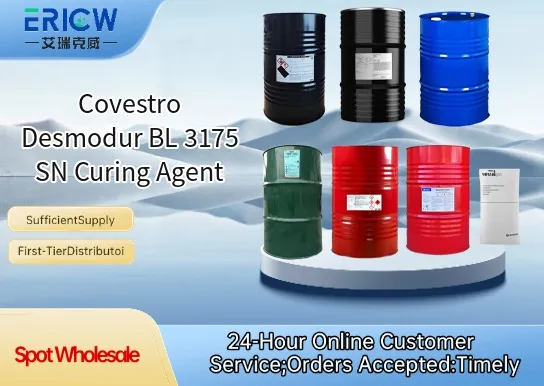
Aliphatic polyisocyanate based on hexamethylene diisocyanate (HDI), offering excellent UV stability and color retention.
Low-viscosity liquid formulation enabling easy handling, precise metering, and compatibility with standard spray and mixing equipment.
Non-yellowing performance ideal for high-gloss and transparent topcoats in demanding aesthetic applications.
Optimized reactivity profile for balanced pot life and rapid film formation at ambient or low-bake conditions.
Complies with major global VOC regulations and supports sustainable coating formulations with reduced solvent demand.
Automotive clearcoats and basecoat/clearcoat systems requiring long-term gloss and weather resistance.
Industrial maintenance coatings for machinery, agricultural equipment, and metal furniture.
High-performance wood finishes for premium flooring, cabinetry, and architectural millwork.
Plastic coatings for exterior automotive trim and consumer electronics housings.
Aerospace interior coatings where low VOC emissions and non-yellowing properties are critical.
| Chemical Type | Aliphatic HDI-based polyisocyanate (trimer) |
| Product Form | Liquid |
| Appearance | Colorless to pale yellow, clear liquid |
| NCO Content (wt %) | ~21.5% |
| Viscosity at 25°C (mPa·s) | ~800–1,200 |
| Density at 20°C (g/cm³) | ~1.15–1.18 |
| Flash Point (PMCC, °C) | ~145 |
| Storage Stability | ≥12 months at ≤25°C in sealed original container |
Q1: What is the primary function of Desmodur BL 3175 SN in coating and adhesive formulations?
A: Desmodur BL 3175 SN is a low-viscosity, aliphatic polyisocyanate curing agent designed to react with hydroxyl-functional resins—such as polyesters, acrylics, or polyethers—to form durable, weather-resistant polyurethane networks. It enables ambient- or low-bake cure profiles while supporting excellent gloss retention and UV stability.
Q2: Is Desmodur BL 3175 SN suitable for high-solids or solvent-reduced systems?
A: Yes—it is specifically engineered for high-solids and low-VOC applications due to its inherently low viscosity and high NCO content. Its reactivity profile allows formulators to reduce solvent demand without compromising pot life or film formation performance.
Q3: How does Desmodur BL 3175 SN compare to aromatic isocyanate curing agents in terms of yellowing resistance?
A: As an aliphatic hexamethylene diisocyanate (HDI)-based trimer, Desmodur BL 3175 SN offers superior non-yellowing performance compared to aromatic alternatives. It is widely selected for topcoats and clearcoats where long-term color stability and clarity under UV exposure are critical.
Q4: What are typical handling and storage recommendations for this product?
A: Store in tightly sealed containers under dry, cool conditions (preferably below 30 °C) and protect from moisture, heat, and direct sunlight. Avoid prolonged exposure to ambient humidity during handling, as isocyanates are moisture-sensitive and may form insoluble urea derivatives upon contact with water.
Contact With Us:
E-mail: wangxingqiang@ericwchem.com
Have a Questions? Call Us:
Add:
Building A1, Jiete Industrial Park, Huangpu District, Guangzhou City, Guangdong Province, China