English
 Español
 tiếng việt
 русский
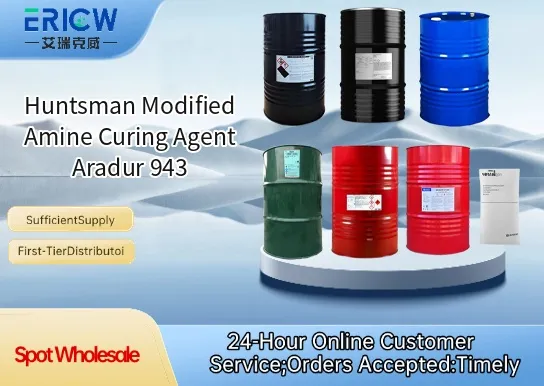
Low-viscosity liquid formulation enabling easy handling and precise metering in automated dispensing systems.
Fast ambient-cure capability with excellent through-cure performance on epoxy resins, even at low temperatures (down to 10°C).
Superior chemical resistance—particularly to alkalis, solvents, and moisture—after full cure.
Low exotherm profile minimizes thermal stress and warpage in thick-section or thermally sensitive composites.
Non-blushing chemistry ensures consistent surface appearance and reliable adhesion in humid environments.
Structural adhesive formulations for aerospace composite bonding and repair.
High-performance potting and encapsulation of electronic components and power modules.
Wind turbine blade root joints and spar cap bonding in renewable energy applications.
Industrial flooring and heavy-duty protective coatings requiring rapid return-to-service.
Tooling and mold-making compounds where dimensional stability and low shrinkage are critical.
| Chemical Type | Modified aliphatic amine |
| Product Form | Liquid |
| Appearance | Pale yellow to amber clear liquid |
| Primary Applications | Epoxy resin curing agent for structural adhesives, potting, and composite bonding |
| Key Features | Ambient-curing, low viscosity, non-blushing, low exotherm |
| Benefits | Improved process efficiency, enhanced durability, reduced post-cure requirements |
| Storage Stability | At least 12 months in original unopened container at 25°C |
| Compatibility | Designed for use with standard DGEBA and novolac epoxy resins |
Q1: What is the primary function of Aradur 943 in epoxy systems?
A: Aradur 943 is a modified amine curing agent designed to initiate and control the crosslinking reaction of epoxy resins, delivering enhanced flexibility, reduced brittleness, and improved adhesion—particularly in demanding structural bonding and composite applications.
Q2: Is Aradur 943 suitable for low-temperature cure applications?
A: Yes, Aradur 943 exhibits good reactivity at ambient and moderately elevated temperatures, enabling practical cure profiles without requiring high-heat ovens—making it well-suited for field-applied coatings, wind blade assembly, and other large-part manufacturing where thermal energy is limited.
Q3: How does Aradur 943 compare to conventional aliphatic amines in terms of handling and safety?
A: As a modified amine, Aradur 943 offers significantly reduced volatility and lower vapor pressure than standard aliphatic amines, resulting in milder odor, improved workplace handling, and reduced potential for respiratory irritation—though appropriate PPE and ventilation remain essential during use.
Q4: Can Aradur 943 be used with standard epoxy resins like DGEBA?
A: Yes, Aradur 943 is broadly compatible with common liquid and solid bisphenol-A and bisphenol-F epoxy resins, as well as many novolac and cycloaliphatic epoxies—though optimal performance requires formulation-specific compatibility testing and stoichiometric adjustment.
Contact With Us:
E-mail: wangxingqiang@ericwchem.com
Have a Questions? Call Us:
Add:
Building A1, Jiete Industrial Park, Huangpu District, Guangzhou City, Guangdong Province, China