English
 Español
 tiếng việt
 русский
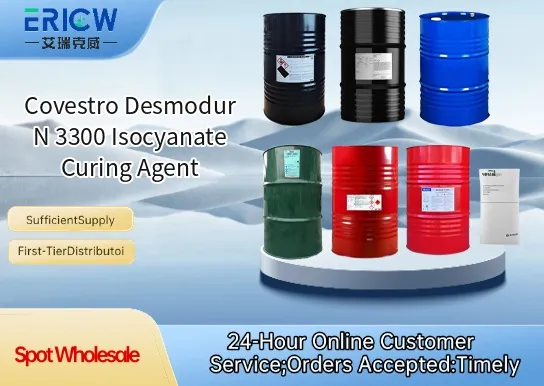
Aliphatic HDI-based polyisocyanate offering excellent UV stability and color retention.
Low-viscosity trimer formulation enabling easy handling, precise metering, and efficient mixing with polyols.
Non-yellowing performance ideal for high-gloss and clear-coat applications requiring long-term aesthetic integrity.
Good compatibility with a wide range of polyester, acrylic, and polycarbonate polyols.
Meets stringent VOC regulations and supports sustainable coating formulations with reduced solvent demand.
Automotive refinish coatings for OEM and aftermarket topcoats.
Industrial maintenance and protective coatings for metal and plastic substrates.
High-performance wood and furniture coatings requiring durability and clarity.
Plastic coatings for electronics housings, automotive interiors, and consumer goods.
UV-stable clearcoats for architectural and transportation applications.
| Chemical Type | Aliphatic HDI trimer (hexamethylene diisocyanate trimer) |
| Product Form | Liquid |
| Appearance | Colorless to pale yellow, transparent liquid |
| NCO Content (wt %) | Approx. 21.5–22.5% |
| Viscosity at 25°C (mPa·s) | Approx. 800–1200 |
| Density at 20°C (g/cm³) | Approx. 1.20–1.24 |
| Flash Point (°C, closed cup) | Approx. 160–170 |
| Storage Stability | Stable under dry, cool conditions (≤25°C); protect from moisture |
Q1: What is the primary chemical composition of Desmodur N 3300?
A: Desmodur N 3300 is a biuret-type aliphatic polyisocyanate based on hexamethylene diisocyanate (HDI), offering excellent weather resistance and low volatility compared to aromatic isocyanates.
Q2: How should Desmodur N 3300 be stored to maintain stability and performance?
A: Store in tightly sealed containers under dry, cool conditions (typically below 30 °C) and protect from moisture, direct sunlight, and contamination—exposure to humidity can lead to premature gelation or viscosity increase due to urea formation.
Q3: With which types of resins is Desmodur N 3300 commonly crosslinked?
A: It is widely used with hydroxyl-functional acrylics, polyesters, and alkyds in high-performance two-component (2K) coatings for automotive refinish, industrial maintenance, and premium plastic coatings.
Q4: Does Desmodur N 3300 require catalysts for optimal cure performance?
A: While it reacts readily with hydroxyl groups at ambient temperature, tin-based catalysts (e.g., dibutyltin dilaurate) or tertiary amines are often used to accelerate gel time and improve through-cure—especially in thicker films or lower-temperature applications.
Q5: What safety precautions are essential when handling Desmodur N 3300?
A: As with all isocyanates, avoid inhalation of vapors or mists and prevent skin/eye contact; use appropriate PPE including respirators with organic vapor cartridges, chemical-resistant gloves, and eye protection—ensure adequate ventilation during mixing and application.
Contact With Us:
E-mail: wangxingqiang@ericwchem.com
Have a Questions? Call Us:
Add:
Building A1, Jiete Industrial Park, Huangpu District, Guangzhou City, Guangdong Province, China