English
 Español
 tiếng việt
 русский
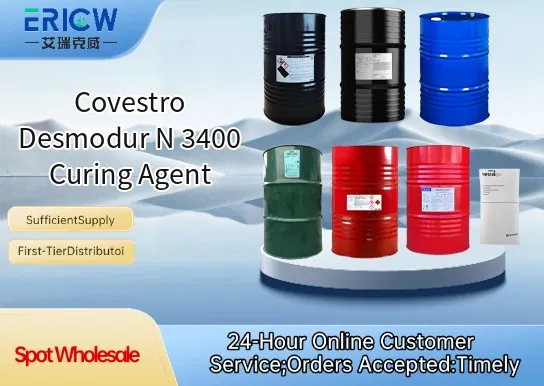
High-reactivity aliphatic polyisocyanate based on hexamethylene diisocyanate (HDI) trimer chemistry.
Excellent weather resistance and UV stability, enabling long-term gloss and color retention in outdoor applications.
Low viscosity for easy handling, efficient mixing with hydroxyl-functional resins, and compatibility with standard coating equipment.
Non-yellowing performance ideal for clearcoats and light-colored topcoats requiring optical clarity.
Compliant with major global VOC regulations and available in solvent-based formulations meeting industrial emission standards.
Automotive OEM and refinish clearcoats and basecoats.
Industrial maintenance coatings for machinery, agricultural equipment, and rail vehicles.
High-performance wood coatings including furniture, flooring, and cabinetry finishes.
Plastic coatings for exterior automotive components and consumer electronics housings.
Architectural coatings for metal façades, aluminum composite panels (ACP), and curtain wall systems.
| Chemical Type | Aliphatic HDI trimer polyisocyanate |
| Product Form | Liquid |
| Appearance | Clear, pale yellow liquid |
| NCO Content (wt %) | ~15.5–16.5% |
| Viscosity (25 °C, mPa·s) | 1,800–2,400 |
| Density (20 °C, g/cm³) | 1.19–1.21 |
| Solvent Content | Approx. 45% (standard solvent blend: acetone/butyl acetate/xylene) |
| Primary Applications | Two-component polyurethane coatings requiring high durability and aesthetics |
Q1: What is the primary chemical class and functionality of Desmodur N 3400?
A: Desmodur N 3400 is an aliphatic polyisocyanate based on hexamethylene diisocyanate (HDI), modified as a biuret-type oligomer. It contains multiple reactive isocyanate (–NCO) groups, offering excellent weather resistance, low volatility, and good compatibility with common hydroxyl-functional resins.
Q2: Is Desmodur N 3400 suitable for ambient-cure or forced-dry coating systems?
A: Desmodur N 3400 is primarily designed for ambient- or low-temperature cure applications, especially where extended pot life and controlled reactivity are required. It can also be used in moderate forced-dry systems, though full cure performance depends on formulation design, humidity, and film thickness.
Q3: How does Desmodur N 3400 compare to HDI monomer or other HDI-based isocyanates in terms of handling and safety?
A: As a biuret oligomer, Desmodur N 3400 has significantly lower vapor pressure and reduced inhalation hazard compared to HDI monomer. It remains a skin and respiratory sensitizer, requiring appropriate PPE and engineering controls—but its physical form and reactivity profile support safer industrial handling under standard occupational hygiene practices.
Q4: What types of resins is Desmodur N 3400 typically formulated with?
A: Desmodur N 3400 is widely compatible with hydroxyl-functional acrylics, polyesters, and alkyds. It is commonly selected for high-performance two-component (2K) coatings used in automotive refinish, industrial maintenance, and premium wood finishes—where gloss retention, flexibility, and chemical resistance are critical.
Q5: Does Desmodur N 3400 require catalysts to achieve acceptable cure speed?
A: Catalysts such as dibutyltin dilaurate (DBTDL) or tertiary amines may be added to accelerate the isocyanate–hydroxyl reaction, particularly at lower temperatures or when extended working time is not required. However, uncatalyzed cure is feasible under ambient conditions, depending on resin selection and formulation balance.
Contact With Us:
E-mail: wangxingqiang@ericwchem.com
Have a Questions? Call Us:
Add:
Building A1, Jiete Industrial Park, Huangpu District, Guangzhou City, Guangdong Province, China