English
 Español
 tiếng việt
 русский
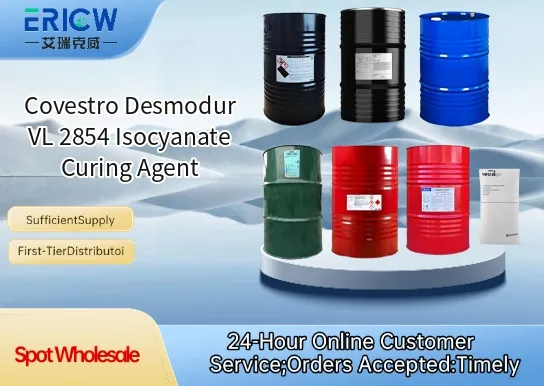
Aliphatic HDI-based polyisocyanate offering excellent UV stability and minimal yellowing in demanding outdoor applications.
Low-viscosity liquid formulation enabling easy handling, precise metering, and compatibility with standard spray and mixing equipment.
Fast-reacting functionality optimized for high-speed industrial coating and adhesive production processes.
Non-yellowing chemistry suitable for clearcoats and topcoats requiring long-term gloss and color retention.
Compliant with major global regulatory frameworks including REACH and VOC-restricted formulations (≤250 g/L).
Automotive clearcoats and basecoat/clearcoat systems for OEM and refinish applications.
High-performance industrial maintenance coatings for metal and plastic substrates.
Premium wood finishes requiring hardness, chemical resistance, and optical clarity.
Two-component polyurethane adhesives for laminated safety glass and composite bonding.
UV-stable protective coatings for architectural façades and transportation interiors.
| Chemical Type | Aliphatic polyisocyanate based on hexamethylene diisocyanate (HDI) |
| Product Form | Liquid |
| Appearance | Colorless to pale yellow transparent liquid |
| NCO Content (wt. %) | Approx. 19.5–20.5% |
| Viscosity at 25 °C | Approx. 250–350 mPa·s |
| Density at 20 °C | Approx. 1.08–1.12 g/cm³ |
| Primary Applications | 2K PU clearcoats, industrial coatings, high-gloss wood finishes, laminating adhesives |
| Key Features | UV stability, low yellowing tendency, fast cure kinetics, good compatibility with common polyols |
Q1: What is the primary chemical composition of Desmodur VL 2854?
A: Desmodur VL 2854 is an aliphatic polyisocyanate based on hexamethylene diisocyanate (HDI), modified to provide improved storage stability and reduced volatility while maintaining excellent weather resistance and low yellowing tendency.
Q2: How does VL 2854 differ from standard HDI biuret or isocyanurate curing agents?
A: VL 2854 features a tailored molecular architecture that balances reactivity, viscosity, and NCO content—offering easier handling than high-viscosity isocyanurates and greater hydrolytic stability than some conventional biuret types, making it particularly suitable for demanding two-component polyurethane coatings and adhesives.
Q3: What are typical formulation considerations when using VL 2854 with polyol resins?
A: VL 2854 is compatible with a broad range of hydroxyl-functional resins—including polyester, acrylic, and polyether polyols—and typically used at low concentrations relative to the total resin solids. Optimal NCO:OH ratios should be determined experimentally based on desired film properties, cure speed, and environmental conditions.
Q4: Is VL 2854 suitable for low-VOC or high-solids coating systems?
A: Yes—its relatively low viscosity and high NCO functionality allow formulators to achieve high-solids formulations with good pot life and film performance, supporting compliance with modern VOC regulations without requiring excessive solvent addition.
Q5: What safety and handling precautions are recommended for VL 2854?
A: As with all isocyanates, VL 2854 requires appropriate personal protective equipment (PPE), adequate ventilation, and avoidance of skin/eye contact and inhalation of vapors or aerosols. Always consult the current Safety Data Sheet (SDS) before use and ensure proper engineering controls are in place during handling and processing.
Contact With Us:
E-mail: wangxingqiang@ericwchem.com
Have a Questions? Call Us:
Add:
Building A1, Jiete Industrial Park, Huangpu District, Guangzhou City, Guangdong Province, China