English
 Español
 tiếng việt
 русский
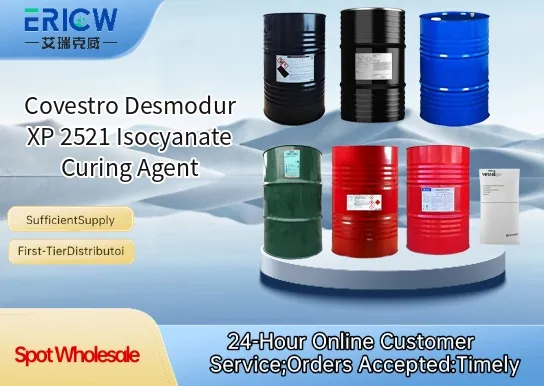
Aliphatic polyisocyanate based on hexamethylene diisocyanate (HDI), offering excellent UV stability and color retention.
Low-viscosity liquid formulation enabling easy handling, precise metering, and compatibility with standard spray and mixing equipment.
Non-yellowing performance ideal for high-gloss and transparent coating systems requiring long-term clarity.
Reactive NCO content optimized for balanced pot life and rapid film formation in ambient- and forced-dry applications.
Compliant with REACH and meets stringent VOC regulations for industrial and architectural coatings.
High-performance automotive clearcoats and basecoats requiring exceptional gloss, hardness, and weather resistance.
Industrial maintenance coatings for machinery, rail vehicles, and agricultural equipment.
Premium wood finishes for furniture, flooring, and cabinetry where clarity and scratch resistance are critical.
Aerospace interior coatings demanding low VOC emissions and superior durability under thermal cycling.
| Chemical Type | Aliphatic HDI-based polyisocyanate |
| Product Form | Clear, colorless to pale yellow liquid |
| Appearance | Homogeneous liquid, free from sediment or haze |
| NCO Content (wt %) | 18.5 – 19.5 |
| Viscosity at 25 °C (mPa·s) | 800 – 1,200 |
| Density at 20 °C (g/cm³) | 1.14 – 1.16 |
| Flash Point (PMCC, °C) | 135 – 145 |
| Storage Stability (unopened, 25 °C) | ≥ 12 months |
Q1: What is the primary chemical composition of Desmodur XP 2521?
A: Desmodur XP 2521 is a low-viscosity, aliphatic polyisocyanate based on hexamethylene diisocyanate (HDI) trimer chemistry. It contains no solvents and is designed for high-performance two-component polyurethane systems requiring excellent weather resistance and low yellowing.
Q2: How does Desmodur XP 2521 differ from standard HDI trimer products?
A: Desmodur XP 2521 features an optimized molecular weight distribution and controlled NCO functionality, resulting in improved compatibility with diverse polyol systems, enhanced pot life stability, and more consistent film formation—particularly in demanding coating and adhesive applications.
Q3: What are typical storage and handling requirements?
A: Store in tightly sealed containers under dry, cool conditions (below 30 °C), protected from moisture, heat, and direct sunlight. Always use dry, inert gas blanketing during prolonged storage or dispensing to prevent uretdione formation and viscosity increase. Handle using appropriate PPE, as with all isocyanates.
Q4: Which types of polyols is Desmodur XP 2521 commonly paired with?
A: It demonstrates broad compatibility with polyester, acrylic, polycarbonate, and polyether polyols—especially those used in high-gloss automotive clearcoats, industrial maintenance coatings, and flexible elastomeric adhesives where durability and clarity are critical.
Q5: How should the NCO:OH ratio be determined for optimal performance?
A: The stoichiometric ratio depends on the specific formulation goals—such as hardness development, flexibility, or chemical resistance—but typically ranges between 0.8:1 and 1.1:1 (NCO:OH). Final adjustment should be validated through small-scale testing under intended cure conditions.
Contact With Us:
E-mail: wangxingqiang@ericwchem.com
Have a Questions? Call Us:
Add:
Building A1, Jiete Industrial Park, Huangpu District, Guangzhou City, Guangdong Province, China