English
 Español
 tiếng việt
 русский
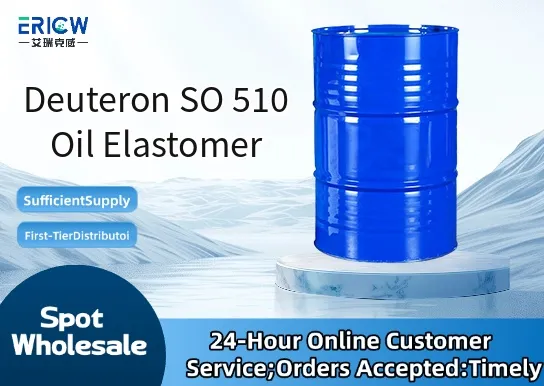
Highly compatible with saturated and unsaturated elastomers including EPDM, SBR, and NBR.
Excellent low-temperature flexibility and improved processability in rubber compound mixing.
Low volatility and high thermal stability for extended service life in dynamic applications.
Non-staining, non-migrating formulation suitable for light-colored and premium-grade rubber goods.
Optimized paraffinic-naphthenic balance for superior plasticizing efficiency and tensile property retention.
Automotive weatherstripping and door seals.
Industrial hoses and conveyor belting compounds.
Roofing membranes and waterproofing elastomeric sheets.
Footwear soles and technical rubber footwear components.
General-purpose molded rubber parts requiring consistent compression set resistance.
| Chemical Type | Refined paraffinic-naphthenic processing oil |
| Product Form | Liquid at room temperature |
| Appearance | Clear, water-white to pale yellow liquid |
| Primary Applications | Elastomer plasticizer and extender oil |
| Key Features | Low aniline point, high VGC compatibility index |
| Benefits | Enhanced filler dispersion, reduced compound viscosity, improved aging resistance |
| Density (20°C) | Approx. 0.87–0.89 g/cm³ |
| Flash Point (COC) | ≥ 230°C |
Q1: What is the primary function of Deuteron SO 510 Oil Elastomer in elastomeric formulations?
A: Deuteron SO 510 Oil Elastomer functions as a process aid and softening agent specifically designed to enhance plasticity, improve filler dispersion, and reduce compound viscosity during mixing and extrusion of saturated and unsaturated elastomers — particularly in EPDM, NBR, and SBR systems.
Q2: Is Deuteron SO 510 compatible with peroxide-cured elastomer systems?
A: Yes, Deuteron SO 510 exhibits good compatibility with peroxide-cured compounds due to its saturated hydrocarbon structure and low volatility, which minimizes interference with crosslinking efficiency and helps maintain thermal stability during high-temperature curing.
Q3: How does Deuteron SO 510 differ from conventional naphthenic or paraffinic processing oils?
A: Unlike standard processing oils, Deuteron SO 510 is engineered as an oil-elastomer hybrid with partial polymer-like character, offering improved retention in the vulcanizate, reduced bloom tendency, and enhanced long-term elasticity — especially under dynamic mechanical stress or elevated service temperatures.
Q4: Can Deuteron SO 510 be used in food-contact or potable water applications?
A: Deuteron SO 510 is not pre-qualified for direct food-contact or potable water applications. Its suitability for such uses requires full formulation evaluation and compliance verification against applicable regional regulatory frameworks by the end-product manufacturer.
Contact With Us:
E-mail: wangxingqiang@ericwchem.com
Have a Questions? Call Us:
Add:
Building A1, Jiete Industrial Park, Huangpu District, Guangzhou City, Guangdong Province, China