English
 Español
 tiếng việt
 русский
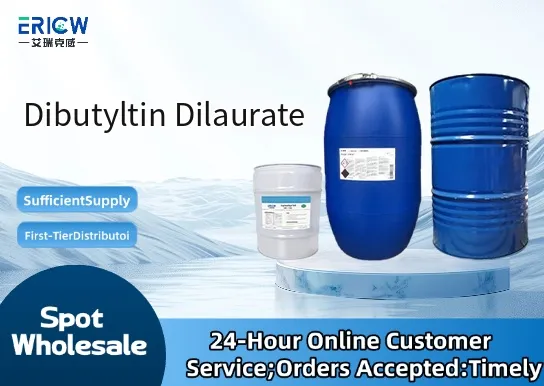
Highly efficient organotin catalyst for urethane and silicone condensation cure systems.
Excellent solubility in common organic solvents including esters, ketones, and aromatic hydrocarbons.
Thermally stable with low volatility, enabling consistent performance during high-temperature processing.
Precise reactivity control—delivers reproducible gel times and pot life in polyurethane foam and sealant formulations.
Low odor profile compared to alternative tin-based catalysts, supporting improved workplace handling.
Flexible and rigid polyurethane foam production (slabstock, molded, spray).
One-component moisture-curing polyurethane sealants and adhesives.
RTV-2 (room temperature vulcanizing) silicone elastomers and gels.
Coating systems requiring controlled crosslinking kinetics, such as industrial protective coatings.
Castable polyurethane elastomers and encapsulants for electronics and automotive components.
| Chemical Type | Organotin compound (dialkyltin carboxylate) |
| Product Form | Liquid |
| Appearance | Colorless to pale yellow clear liquid |
| Melting Point | Approx. –15 °C to –10 °C |
| Primary Applications | Polyurethane foams, RTV silicones, moisture-cure sealants |
| Key Features | Catalytic activity for NCO–OH and Si–OH condensation reactions |
| Benefits | Improved flow, reduced demold time, enhanced final hardness development |
| Regulatory Compliance | REACH registered; compliant with EU Directive 2004/73/EC (as amended) for organotins in consumer articles |
| Common Compatible Systems | Suitability |
| Polyether-based polyurethane systems | Highly Recommended – Excellent compatibility and catalytic synergy with polyols and isocyanates |
| Polyester-based polyurethane systems | Recommended – Effective catalysis; may require minor formulation adjustment for optimal storage stability |
| Alkoxy-terminated RTV-2 silicones | Highly Recommended – Rapid, controllable condensation cure without side reactions |
| Acetoxy-cure silicone sealants | Suitable – Functional as secondary catalyst; best used in combination with titanium chelates for balanced speed and shelf life |
Q1: What is the CAS Number for Dibutyltin Dilaurate?
A: The CAS Registry Number is 77-58-7.
Q2: What is the typical usage level in polyurethane foam formulations?
A: Standard dosage ranges from 0.05 to 0.3 phr (parts per hundred resin), depending on desired cream/gel times and system reactivity; always validate via small-scale trials.
Q3: How does Dibutyltin Dilaurate compare to Dibutyltin Diacetate or Stannous Octoate?
A: DBTDL offers higher thermal stability and lower volatility than stannous octoate, and greater selectivity for urethane formation versus side reactions compared to dibutyltin diacetate; it is less hydrolytically sensitive than acetate variants.
Q4: Is Dibutyltin Dilaurate subject to migration or extraction concerns in end-use applications?
A: Yes—organotin compounds may migrate under prolonged contact with polar media (e.g., water, food simulants); not approved for direct food-contact applications per FDA 21 CFR or EU Regulation (EC) No 1935/2004 without full migration testing and compliance verification.
Q5: Does this product meet RoHS or REACH SVHC requirements?
A: Dibutyltin Dilaurate is listed in the REACH Candidate List of Substances of Very High Concern (SVHC) due to its toxicity to reproduction (Category 1B); however, it remains authorized for industrial use under strict exposure controls and risk management measures as defined in REACH Annex XIV.
Contact With Us:
E-mail: wangxingqiang@ericwchem.com
Have a Questions? Call Us:
Add:
Building A1, Jiete Industrial Park, Huangpu District, Guangzhou City, Guangdong Province, China