English
 Español
 tiếng việt
 русский
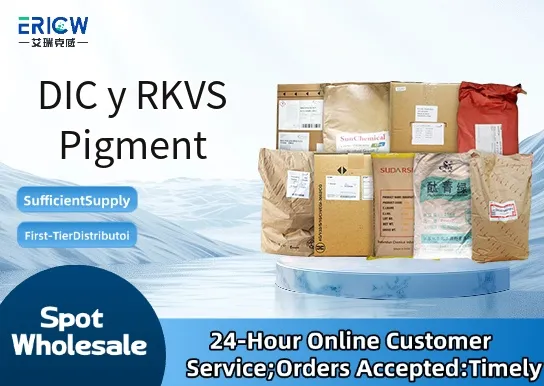
High chromatic strength and excellent color consistency across batches.
Outstanding thermal stability up to 280°C, suitable for high-temperature polymer processing.
Superior dispersion performance in both polar and non-polar resin systems.
Low migration tendency, ensuring long-term color fidelity in end-use applications.
Compliant with major global regulatory frameworks including REACH and RoHS.
Automotive interior plastics (dashboards, trim components).
Packaging films requiring food-contact compliance (e.g., PET, PP laminates).
Engineering thermoplastics such as polyamide (PA6/PA66) and polycarbonate (PC).
Industrial coatings for durable goods and appliances.
Specialty masterbatches for medical-grade polymer compounds.
| Chemical Type | High-performance organic pigment (quinacridone-based) |
| Product Form | Free-flowing powder |
| Appearance | Uniform fine red-violet powder |
| Primary Applications | Plastics, coatings, and masterbatches |
| Key Features | Thermal stability, low volatility, high tinctorial strength |
| Benefits | Reduced dosage requirement, improved processability, consistent shade reproduction |
| Storage Conditions | Keep in cool, dry place; protect from direct sunlight and moisture |
| Shelf Life | 24 months from date of manufacture under recommended conditions |
Q1: What is the primary application area for DIC y RKVS Pigment?
A: DIC y RKVS Pigment is specifically engineered for high-performance coloration in engineering thermoplastics, including polyamide (PA), polybutylene terephthalate (PBT), and polyphenylene sulfide (PPS), where thermal stability and dispersion consistency are critical during melt processing.
Q2: How does DIC y RKVS Pigment differ from conventional organic pigments in terms of heat resistance?
A: DIC y RKVS Pigment features an optimized molecular architecture and surface treatment that enhances thermal resilience—enabling stable color performance at processing temperatures commonly exceeding 280 °C in demanding injection molding and extrusion applications.
Q3: Is DIC y RKVS Pigment suitable for food-contact plastic applications?
A: While the pigment itself is designed for technical performance rather than regulatory compliance, formulations using DIC y RKVS Pigment may be qualified for food-contact use—subject to full system evaluation, including carrier resin, additives, and final migration testing per applicable regional requirements.
Q4: What is the typical dosage range when incorporating DIC y RKVS Pigment into polymer systems?
A: Dosage depends on formulation requirements and desired chroma intensity, but it is generally used at low concentrations—typically ranging from 0.1% to 2% by weight—due to its high tinting strength and efficient dispersion characteristics.
Q5: Can DIC y RKVS Pigment be used in laser-markable or conductive polymer compounds?
A: Yes—its chemical inertness and compatibility with functional additives make it a viable option in specialty compounds, including those formulated for laser marking or electrostatic dissipation, provided compatibility with other components (e.g., carbon black, metal oxides) is verified during development.
Contact With Us:
E-mail: wangxingqiang@ericwchem.com
Have a Questions? Call Us:
Add:
Building A1, Jiete Industrial Park, Huangpu District, Guangzhou City, Guangdong Province, China