English
 Español
 tiếng việt
 русский
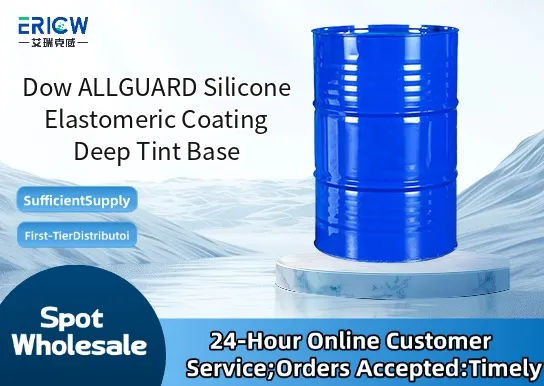
High-performance silicone elastomeric formulation providing exceptional UV resistance and long-term color retention.
Deep-tint base engineered for broad, stable color gamut development with premium architectural pigments.
Excellent elongation and recovery properties—maintains integrity over thermal expansion/contraction cycles.
Superior water repellency combined with vapor permeability to prevent moisture entrapment in substrates.
Low-VOC compliant formulation meeting stringent North American and European environmental regulations.
Exterior wall coatings for high-rise commercial buildings and institutional facades.
Re-coating systems for aging stucco, concrete masonry units (CMU), and EIFS substrates.
Weather-resistant finish layer in multi-coat architectural coating systems.
Color-customized protective topcoat for precast concrete cladding panels.
Sustainable building envelope solutions requiring durability, energy efficiency, and LEED credit eligibility.
| Chemical Type | Silicone-modified acrylic elastomeric dispersion |
| Product Form | Waterborne liquid concentrate |
| Appearance | Opaque white paste, uniform consistency |
| Primary Applications | Architectural exterior elastomeric coating base |
| Key Features | Deep-tint compatible, high-solids, non-yellowing |
| Benefits | Enhanced fade resistance, crack bridging up to 300% elongation, substrate breathability |
| VOC Content | <50 g/L (ASTM D6886) |
| Storage Stability | 12 months at 5–30°C in unopened original container |
Q1: What is the primary function of Dow ALLGUARD Silicone Elastomeric Coating Deep Tint Base?
A: It serves as a high-performance, deep-tintable silicone elastomeric base designed to enable durable, flexible, and weather-resistant coatings for exterior building surfaces—particularly where long-term elasticity, crack-bridging capability, and resistance to UV degradation are required.
Q2: Can this product be tinted with standard architectural colorants?
A: Yes—it is specifically formulated as a deep tint base compatible with most water-based and universal colorants used in architectural coating systems, supporting broad color gamut development without compromising silicone performance or film integrity.
Q3: How does this silicone elastomeric base differ from conventional acrylic elastomeric coatings?
A: Unlike acrylic-based alternatives, it leverages silicone chemistry to deliver superior hydrophobicity, enhanced thermal stability, and greater resistance to chalking, fading, and environmental soiling—making it especially suitable for demanding climates and high-exposure façades.
Q4: Is surface preparation critical before applying a coating formulated with this base?
A: Yes—proper substrate cleaning, repair of cracks or defects, and priming (where recommended) are essential to ensure optimal adhesion, film continuity, and long-term performance of the finished silicone elastomeric coating system.
Contact With Us:
E-mail: wangxingqiang@ericwchem.com
Have a Questions? Call Us:
Add:
Building A1, Jiete Industrial Park, Huangpu District, Guangzhou City, Guangdong Province, China