English
 Español
 tiếng việt
 русский
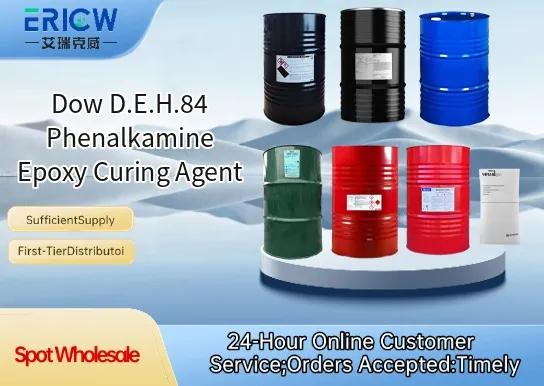
Fast ambient-cure reactivity with standard epoxy resins, enabling rapid handling strength development.
Excellent adhesion to damp, rusty, or marginally prepared steel substrates without aggressive surface preparation.
Low viscosity and high amine value for efficient stoichiometric blending and improved wetting of complex geometries.
Superior chemical resistance in cured systems, particularly against alkalis, solvents, and mild acids.
Reduced exotherm compared to conventional aliphatic amines, supporting thicker-section castings and reduced thermal stress.
Protective coatings for offshore platforms and marine infrastructure.
Industrial floor coatings requiring rapid return-to-service in warehouses and manufacturing facilities.
Repair mortars and grouts for concrete and steel structures in wastewater treatment plants.
Adhesives and potting compounds for electrical and electronic encapsulation where humidity resistance is critical.
High-solids, low-VOC epoxy topcoats for infrastructure maintenance and bridge refurbishment.
| Chemical Type | Phenalkamine (modified phenol–aldehyde–amine condensate) |
| Product Form | Liquid |
| Appearance | Amber to light brown viscous liquid |
| Amine Value | 230–250 mg KOH/g |
| Viscosity (25°C) | 1,200–1,800 cP |
| Density (25°C) | 1.08–1.12 g/cm³ |
| Primary Applications | Ambient-cure protective coatings, repair mortars, industrial adhesives |
| Key Features | Damp-surface cure, low exotherm, rust-tolerant adhesion |
Q1: What are the key advantages of D.E.H.84 compared to conventional aliphatic amines?
A: D.E.H.84 offers enhanced moisture tolerance and faster cure under ambient or damp conditions, improved flexibility in the cured film, and reduced volatility and skin sensitization potential relative to many standard aliphatic amine hardeners.
Q2: Is D.E.H.84 suitable for use in high-humidity or underwater repair applications?
A: Yes — its phenalkamine chemistry provides excellent performance in high-moisture environments, making it well-suited for marine coatings, concrete repair mortars, and other applications where curing must proceed reliably despite humidity, condensation, or incidental water exposure.
Q3: How does D.E.H.84 affect pot life and film properties in epoxy systems?
A: It typically delivers extended working time (pot life) at ambient temperatures compared to fast-reacting amines, while still enabling rapid development of handling strength. The resulting cured films exhibit good adhesion to damp or marginally prepared substrates, balanced hardness, and improved impact resistance.
Q4: Can D.E.H.84 be blended with other curing agents to modify performance?
A: Yes — it is commonly co-formulated with polyamides, amidoamines, or slower-reacting aromatic amines to tailor cure speed, flexibility, chemical resistance, or substrate compatibility without compromising moisture tolerance.
Contact With Us:
E-mail: wangxingqiang@ericwchem.com
Have a Questions? Call Us:
Add:
Building A1, Jiete Industrial Park, Huangpu District, Guangzhou City, Guangdong Province, China