English
 Español
 tiếng việt
 русский
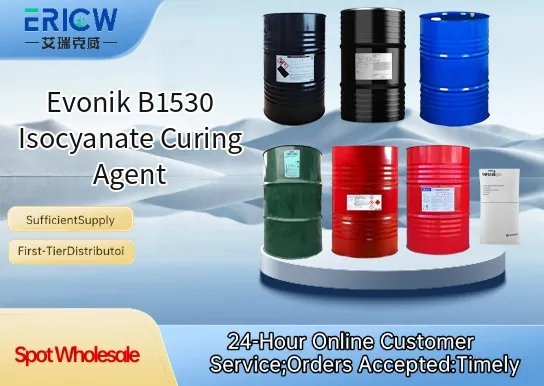
Aliphatic HDI-based polyisocyanate offering excellent UV stability and minimal yellowing.
Low-viscosity liquid formulation enabling easy handling, precise metering, and efficient mixing with polyols.
Designed for ambient- and forced-dry curing systems with balanced reactivity and pot life.
Complies with REACH and meets stringent VOC regulations for industrial coatings.
Provides outstanding chemical resistance, hardness, and abrasion resistance in final films.
High-performance automotive clearcoats and basecoats.
Industrial maintenance coatings for metal and concrete substrates.
Plastic coatings requiring flexibility and adhesion on ABS, PC, and PP.
Wood finishes demanding clarity, durability, and low-temperature cure capability.
General-purpose two-component polyurethane topcoats for OEM and refinish applications.
| Chemical Type | Aliphatic polyisocyanate (HDI trimer) |
| Product Form | Clear to pale yellow liquid |
| Appearance | Homogeneous, transparent liquid |
| NCO Content (wt %) | 15.5–16.5% |
| Viscosity at 25°C (mPa·s) | 1,800–2,400 |
| Density at 20°C (g/cm³) | 1.19–1.21 |
| Primary Applications | 2K PU coatings for automotive, industrial, and wood sectors |
| Key Features | UV-stable, low-VOC, non-yellowing, good compatibility with common polyols |
Q1: What is the primary chemical nature of B1530?
A: Evonik B1530 is a low-viscosity, aliphatic polyisocyanate based on hexamethylene diisocyanate (HDI) trimer chemistry, designed for ambient- or heat-cured two-component polyurethane systems.
Q2: Which types of resins is B1530 typically compatible with?
A: B1530 is commonly used with hydroxyl-functional acrylics, polyesters, and alkyds in high-performance coating formulations—especially where excellent weather resistance, gloss retention, and non-yellowing properties are required.
Q3: How should B1530 be handled to ensure optimal pot life and film performance?
A: B1530 should be stored under dry, inert conditions and protected from moisture. When formulating, strict control of humidity and substrate dryness is essential; typical pot life ranges from several hours to over 24 hours depending on temperature, catalyst use, and resin functionality.
Q4: Is B1530 suitable for low-VOC or high-solids applications?
A: Yes—B1530’s low viscosity and high NCO content enable formulation of high-solids, solvent-reduced, or even solvent-free polyurethane systems without compromising reactivity or crosslink density.
Q5: What safety considerations apply during handling and processing?
A: As with all isocyanates, B1530 requires appropriate personal protective equipment (PPE), adequate ventilation, and avoidance of skin contact or inhalation of vapors or aerosols. Users must consult the Safety Data Sheet (SDS) and comply with local occupational health and safety regulations.
Contact With Us:
E-mail: wangxingqiang@ericwchem.com
Have a Questions? Call Us:
Add:
Building A1, Jiete Industrial Park, Huangpu District, Guangzhou City, Guangdong Province, China