English
 Español
 tiếng việt
 русский
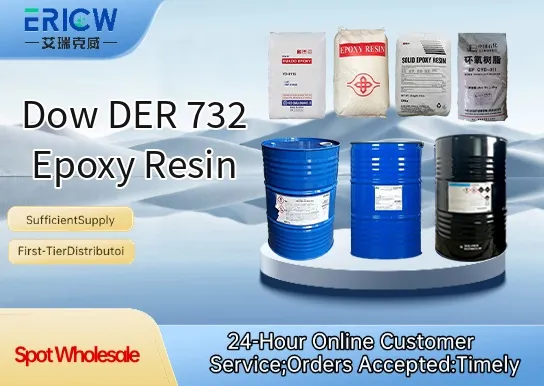
High-purity bisphenol-A based liquid epoxy resin with low chlorine content.
Excellent thermal stability and chemical resistance for demanding industrial environments.
Consistent reactivity and low viscosity enabling easy processing and formulation flexibility.
Optimized for use with amine and anhydride curing agents in high-performance systems.
Complies with global regulatory requirements including REACH and RoHS directives.
Electrical encapsulation and potting compounds for power electronics and transformers.
High-voltage insulating coatings and busbar protection systems.
Structural adhesives for aerospace and transportation composite bonding.
Advanced composites in wind turbine blade manufacturing.
UV-curable hybrid formulations for specialty industrial coatings.
| Chemical Type | Bisphenol-A diglycidyl ether (DGEBA) |
| Product Form | Clear, low-viscosity liquid |
| Appearance | Water-white to pale yellow, transparent |
| Epoxy Equivalent Weight (EEW) | 185–192 g/eq |
| Viscosity at 25°C | 12–16 Pa·s (12,000–16,000 cP) |
| Chlorine Content | ≤ 800 ppm |
| Volatiles Content | ≤ 0.3 wt% |
| Storage Stability | ≥ 12 months at 20–25°C in sealed containers |
Q1: What is the primary chemical nature and typical functionality of Dow DER 732?
A: Dow DER 732 is a solid, bisphenol-A-based epoxy resin with an average epoxide functionality close to two per molecule. It exhibits good thermal stability and reactivity toward common curing agents such as amines and anhydrides, making it suitable for thermoset applications requiring balanced mechanical properties and processability.
Q2: How does Dow DER 732 differ from liquid epoxy resins like DER 331 in processing and end-use performance?
A: As a solid resin, DER 732 offers higher melt viscosity and improved powder handling characteristics compared to low-viscosity liquid epoxies. This makes it particularly well-suited for powder coating formulations, filament winding, and prepreg systems where controlled flow, reduced volatility, and enhanced green strength are advantageous.
Q3: What types of curing agents are commonly used with Dow DER 732?
A: DER 732 is compatible with a broad range of curing agents, including aliphatic and aromatic amines, dicyandiamide (DICY), anhydrides, and latent catalysts. Selection depends on the desired cure schedule, glass transition temperature, and final application requirements—such as electrical insulation or structural adhesion.
Q4: Is Dow DER 732 suitable for high-temperature applications?
A: When properly cured—especially with high-performance hardeners like aromatic amines or bismaleimides—DER 732-based systems can provide useful service temperatures up to approximately 150–180 °C, depending on formulation and post-cure conditions. Its thermal resistance is enhanced by the rigid bisphenol-A backbone and crosslink density achievable in fully cured networks.
Contact With Us:
E-mail: wangxingqiang@ericwchem.com
Have a Questions? Call Us:
Add:
Building A1, Jiete Industrial Park, Huangpu District, Guangzhou City, Guangdong Province, China