English
 Español
 tiếng việt
 русский
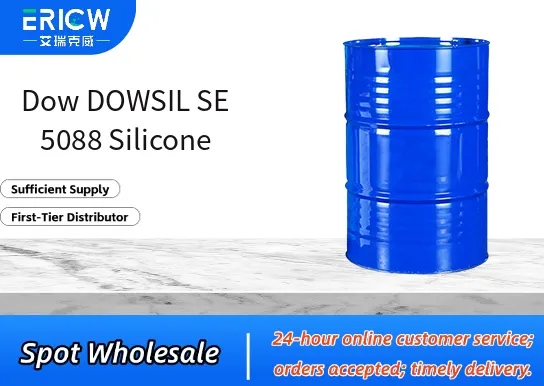
High-performance, one-component, moisture-curing silicone sealant with excellent adhesion to glass, aluminum, and painted surfaces.
Low modulus formulation provides superior flexibility and stress relief for dynamic joints and thermal cycling environments.
Non-corrosive and acetoxy-free chemistry ensures compatibility with sensitive substrates including anodized aluminum and electronic components.
Excellent UV resistance and long-term weatherability without chalking or cracking.
Good flow and self-leveling properties for smooth, consistent bead application.
Structural glazing systems in commercial curtain walls and façades.
Perimeter sealing of insulating glass units (IGUs) in architectural windows and skylights.
Weatherproofing of aluminum composite panels (ACP) and metal cladding systems.
Sealing and bonding in solar photovoltaic module assembly and frame attachment.
General-purpose high-durability sealant for transportation and industrial enclosures.
| Chemical Type | One-component, acetoxy-cure silicone elastomer |
| Product Form | Thixotropic paste in cartridge or sausage packaging |
| Appearance | Opaque, uniform paste; available in clear, white, and neutral shades |
| Primary Applications | Architectural glazing, IGU perimeter sealant, metal panel joint sealing |
| Key Features | Low modulus, non-corrosive, UV stable, self-leveling |
| Benefits | Reduced substrate stress, long service life, no primer required on most common substrates |
| Cure Mechanism | Moisture-curing at ambient temperature |
| Shelf Life | 12 months unopened under recommended storage conditions (5–25°C) |
Q1: What is the primary function of DOWSIL SE 5088 Silicone in industrial formulations?
A: DOWSIL SE 5088 Silicone is a silicone-based processing aid designed to improve surface leveling, reduce foaming, and enhance substrate wetting—particularly in high-solids coatings, inks, and adhesives where consistent film formation is critical.
Q2: Is DOWSIL SE 5088 Silicone compatible with waterborne systems?
A: Yes, it is formulated for compatibility with both solvent-borne and waterborne systems, including acrylic and polyurethane dispersions. It typically remains stable under mild shear and moderate pH conditions, though compatibility testing in the final formulation is recommended.
Q3: How should DOWSIL SE 5088 Silicone be incorporated into a formulation?
A: It is generally added during the let-down or post-addition stage, after high-shear dispersion of pigments and fillers, to preserve its surface-active functionality. Mixing at low to moderate agitation helps avoid excessive air entrapment.
Q4: Does DOWSIL SE 5088 Silicone affect cure chemistry or crosslinking in reactive systems?
A: It is chemically inert toward common crosslinkers such as melamines, isocyanates, and carbodiimides under standard processing conditions. However, performance in thermally cured or UV-cured systems should be verified experimentally due to potential interactions with photoinitiators or catalysts.
Q5: Can DOWSIL SE 5088 Silicone be used in food-contact coatings?
A: While it is not pre-approved for direct food-contact applications, it may be considered for indirect contact uses where regulatory compliance is determined by the finished coating manufacturer—subject to full migration assessment and adherence to applicable regional food-contact regulations.
Contact With Us:
E-mail: wangxingqiang@ericwchem.com
Have a Questions? Call Us:
Add:
Building A1, Jiete Industrial Park, Huangpu District, Guangzhou City, Guangdong Province, China