English
 Español
 tiếng việt
 русский
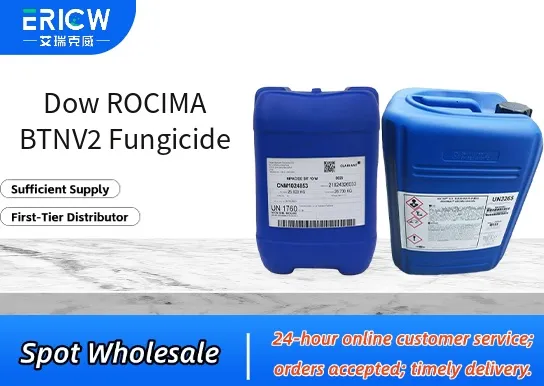
Broad-spectrum fungicidal activity against key spoilage organisms including yeasts, molds, and bacteria.
Stable across a wide pH range (pH 3–10), ensuring compatibility with diverse formulation systems.
Low volatility and excellent hydrolytic stability, supporting long-term preservative efficacy in aqueous systems.
Non-oxidizing chemistry minimizes risk of corrosion and material incompatibility in industrial equipment.
Regulatory support for use in non-food-contact industrial applications worldwide, including compliance with major regional biocidal frameworks.
Pigment dispersions and architectural coatings.
Latex emulsions and polymer-based adhesives.
Industrial metalworking fluids and cutting oils.
Water-based inks and printing formulations.
Construction chemicals including grouts, sealants, and tile adhesives.
| Chemical Type | Isothiazolinone-based biocide blend |
| Product Form | Liquid concentrate |
| Appearance | Clear to slightly hazy, pale yellow liquid |
| Active Ingredient Content | Approx. 2.0% w/w total isothiazolinones |
| Density (20°C) | 1.02–1.06 g/cm³ |
| Solubility | Miscible with water and common polar organic solvents |
| Primary Applications | Preservation of water-based industrial products |
| Storage Stability | ≥24 months at 5–30°C in original sealed container |
Q1: What types of formulations is ROCIMA BTNV2 typically used in?
A: ROCIMA BTNV2 is designed for use in water-based industrial formulations, including metalworking fluids, latex paints, adhesives, and construction chemicals—where broad-spectrum protection against bacteria, yeasts, and molds is required.
Q2: How does ROCIMA BTNV2 differ from other isothiazolinone-based biocides?
A: ROCIMA BTNV2 features a proprietary blend optimized for enhanced stability in high-pH and oxidizing environments, offering improved compatibility with common formulation ingredients such as surfactants and corrosion inhibitors compared to conventional isothiazolinone systems.
Q3: What is the recommended dosage range for effective microbial control?
A: Dosage depends on formulation composition, process conditions, and microbial challenge level; it is typically used at low concentrations, generally ranging from 0.1% to 2% by weight of active ingredient, with optimal performance determined through challenge testing under end-use conditions.
Q4: Is ROCIMA BTNV2 compatible with common preservative boosters or co-biocides?
A: Yes, ROCIMA BTNV2 demonstrates good synergistic potential with select phenolic and formaldehyde-releasing agents, enabling broader antimicrobial coverage and extended preservation life—compatibility should be verified experimentally for each specific formulation matrix.
Contact With Us:
E-mail: wangxingqiang@ericwchem.com
Have a Questions? Call Us:
Add:
Building A1, Jiete Industrial Park, Huangpu District, Guangzhou City, Guangdong Province, China