English
 Español
 tiếng việt
 русский
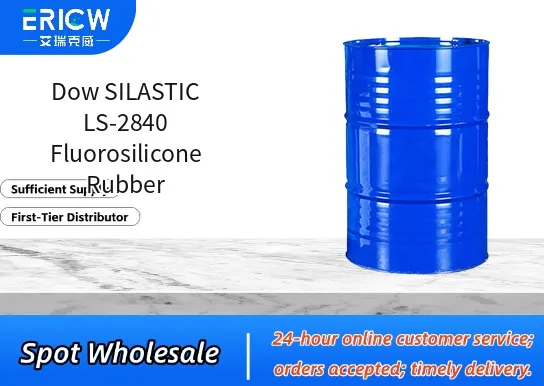
Excellent resistance to fuels, lubricants, and aggressive hydrocarbon-based fluids across wide temperature ranges.
Superior high-temperature stability with continuous service capability up to 200 °C (392 °F).
Outstanding low-temperature flexibility down to –60 °C (–76 °F) without brittle failure.
Low compression set retention for reliable sealing performance in dynamic and static applications.
Good electrical insulation properties and inherent flame resistance (UL 94 HB rated).
Aerospace fuel system seals and gaskets exposed to jet fuels and synthetic lubricants.
Automotive under-hood components including turbocharger hoses and sensor boots.
Oil & gas downhole instrumentation seals requiring chemical and thermal resilience.
Medical device tubing and connectors where biocompatibility and fluid compatibility are critical.
Industrial hydraulic systems operating with phosphate ester or Skydrol®-type fluids.
| Chemical Type | Fluorosilicone elastomer (FVMQ) |
| Product Form | Two-part liquid silicone rubber (LSR), platinum-cured |
| Appearance | Translucent to off-white viscous liquid (Part A); colorless catalyst (Part B) |
| Primary Applications | High-performance static and dynamic seals, gaskets, and molded parts |
| Key Features | Fuel/oil resistance, wide thermal range, low compression set, electrical insulation |
| Benefits | Extended service life in harsh chemical environments; reduced maintenance and replacement frequency |
| Cure System | Pt-catalyzed addition cure (no by-products) |
| Shelf Life | 12 months at 25 °C (77 °F) in unopened original packaging |
Q1: What are the key performance advantages of LS-2840 compared to standard silicone rubbers?
A: LS-2840 offers significantly improved resistance to fuels, lubricants, and polar solvents—such as jet fuel, hydraulic fluids, and chlorinated hydrocarbons—due to its fluorosilicone chemistry. It retains the broad temperature range and compression set resistance typical of high-performance silicones while delivering enhanced chemical stability in aggressive environments.
Q2: Is LS-2840 suitable for aerospace sealing applications?
A: Yes—LS-2840 is commonly selected for static and dynamic seals in aerospace systems where exposure to aviation fuels, synthetic lubricants, and wide thermal cycling (-65 °C to +200 °C) is expected. Its low-temperature flexibility and long-term compression set resistance support demanding flight-critical sealing requirements.
Q3: How is LS-2840 typically processed?
A: LS-2840 is a two-part, platinum-cured liquid silicone rubber (LSR) designed for injection molding, transfer molding, or extrusion. It requires precise metering and mixing of base and catalyst components, followed by heat-curing at elevated temperatures. Processing parameters should be optimized based on part geometry and equipment capabilities.
Q4: Does LS-2840 meet common regulatory requirements for indirect food contact or medical use?
A: LS-2840 is not formulated or certified for direct food contact or implantable medical applications. While it may be used in non-contact auxiliary components (e.g., gaskets in processing equipment), end-use compliance must be validated separately per application-specific regulatory frameworks and intended exposure conditions.
Contact With Us:
E-mail: wangxingqiang@ericwchem.com
Have a Questions? Call Us:
Add:
Building A1, Jiete Industrial Park, Huangpu District, Guangzhou City, Guangdong Province, China