English
 Español
 tiếng việt
 русский
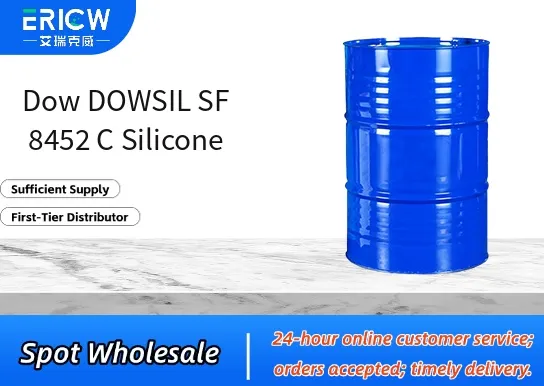
High-performance, two-component addition-cure liquid silicone rubber (LSR) with excellent flowability and low viscosity.
Offers outstanding thermal stability and long-term reliability across a wide service temperature range (–50 °C to +200 °C).
Provides exceptional electrical insulation properties and low dielectric loss, ideal for high-voltage applications.
Meets UL 94 V-0 flammability rating for enhanced safety in demanding environments.
Features low compression set and superior resistance to aging, ozone, and weathering.
High-voltage insulators and bushings for power transmission and distribution equipment.
Sealing and encapsulation of sensitive electronic components in automotive and industrial control systems.
Flexible housings and gaskets for renewable energy inverters and battery management systems.
Protective coatings for sensors and connectors exposed to harsh outdoor or under-hood conditions.
Custom-molded parts for medical devices requiring biocompatibility-compliant materials (ISO 10993 pre-screened).
| Chemical Type | Platinum-catalyzed addition-cure liquid silicone rubber (LSR) |
| Product Form | Two-component kit (Part A: base; Part B: catalyst) |
| Appearance (Uncured) | Part A: translucent viscous liquid; Part B: translucent viscous liquid |
| Mix Ratio (A:B) | 10:1 by weight |
| Cure Conditions | 150 °C for 5 minutes (typical fast-cure); also cures at room temperature over extended time |
| Hardness (Shore A, cured) | 50 ± 5 |
| Density (g/cm³, cured) | 1.15–1.20 |
| Primary Applications | Electrical insulation, environmental sealing, and protective encapsulation |
Q1: What is the primary function of DOWSIL SF 8452 C in coating and ink formulations?
A: DOWSIL SF 8452 C is a silicone-based surface additive designed to improve substrate wetting, reduce surface defects (e.g., craters and orange peel), and enhance gloss and leveling in solventborne and high-solids coatings, as well as printing inks.
Q2: Is DOWSIL SF 8452 C compatible with common resin systems used in industrial coatings?
A: Yes — it demonstrates broad compatibility with acrylics, polyesters, alkyds, epoxies, and polyurethanes. However, compatibility should always be verified experimentally in the final formulation due to variations in solvent blends and additive interactions.
Q3: How should DOWSIL SF 8452 C be incorporated into a formulation?
A: It is typically added during the let-down or post-additive stage under moderate agitation. Pre-dilution in a compatible solvent or carrier may aid dispersion. Avoid high-shear mixing that could destabilize the silicone emulsion.
Q4: Does DOWSIL SF 8452 C affect intercoat adhesion or overcoatability?
A: When used within recommended dosage ranges, it generally does not impair intercoat adhesion. However, excessive addition may lead to surface migration and potential adhesion issues — therefore, optimization and testing under end-use conditions are advised.
Q5: Can DOWSIL SF 8452 C be used in low-VOC or water-reducible systems?
A: It is formulated for solventborne systems and shows limited stability in high-water-content environments. For water-reducible or aqueous systems, alternative silicone additives specifically designed for those media are recommended.
Contact With Us:
E-mail: wangxingqiang@ericwchem.com
Have a Questions? Call Us:
Add:
Building A1, Jiete Industrial Park, Huangpu District, Guangzhou City, Guangdong Province, China