English
 Español
 tiếng việt
 русский
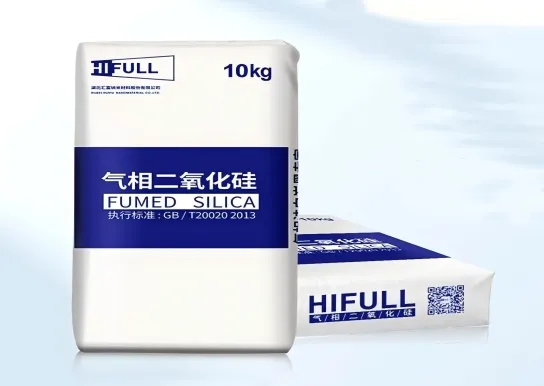
Platinum-based catalyst enabling rapid, room-temperature vulcanization of addition-cure silicone elastomers.
Highly selective and stable—minimizes side reactions such as hydrogen inhibition and premature gelation.
Optimized for precise metering and consistent performance in automated dispensing systems.
Low volatility and non-corrosive formulation supports safe handling and extended pot life of base polymers.
Compatible with a broad range of Dow SILASTIC RTV-3000 series silicone bases for tailored cure profiles.
Medical device encapsulation and sealing requiring biocompatibility and ISO 10993-compliant materials.
Automotive sensor potting and gasketing where thermal stability and low outgassing are critical.
Electronics encapsulation for LED lighting, power modules, and high-reliability PCB protection.
Aerospace-grade conformal coatings and vibration-damping components exposed to wide temperature ranges.
Industrial mold making and soft tooling for low-volume production of precision silicone parts.
| Chemical Type | Platinum complex (divinyltetramethyldisiloxane complex) |
| Product Form | Liquid |
| Appearance | Clear, colorless to pale yellow liquid |
| Primary Applications | Catalyst for addition-cure silicone elastomers (RTV-2 systems) |
| Key Features | Room-temperature curing, low-temperature activation, inhibition-resistant |
| Benefits | Improved process control, reduced scrap rate, enhanced reproducibility in high-mix manufacturing |
| Storage Conditions | Store at 5–25 °C; protect from moisture and direct sunlight |
| Shelf Life | 24 months unopened under recommended storage conditions |
Q1: What is the primary function of Dow SILASTIC RTV-3010-S Catalyst in silicone formulations?
A: RTV-3010-S Catalyst is a platinum-based curing agent designed to accelerate the hydrosilylation reaction in addition-cure liquid silicone rubber (LSR) systems. It enables rapid, low-temperature vulcanization with minimal by-products and excellent control over cure profile.
Q2: How should RTV-3010-S Catalyst be handled and stored to maintain activity?
A: Store in original sealed containers at temperatures between 5 °C and 25 °C, protected from moisture, direct sunlight, and ambient contaminants. Avoid exposure to nitrogen-containing compounds, sulfur, phosphorus, or heavy metals, which may cause irreversible catalyst inhibition.
Q3: Is RTV-3010-S Catalyst compatible with all Dow SILASTIC LSR base polymers?
A: RTV-3010-S is specifically formulated for use with Dow’s addition-cure LSR systems, including RTV-3000 series bases. Compatibility must be verified experimentally for non-Dow or modified polymers, as inhibitor type, vinyl content, and rheology significantly influence cure behavior.
Q4: What are typical dosage guidelines for RTV-3010-S Catalyst in standard LSR processing?
A: Dosage depends on formulation requirements and desired cure speed but generally ranges from 0.1% to 2% by weight relative to the base polymer. Lower loadings support longer pot life and slower cures; higher loadings accelerate gelation and final cure—always optimize via small-scale trials under actual processing conditions.
Contact With Us:
E-mail: wangxingqiang@ericwchem.com
Have a Questions? Call Us:
Add:
Building A1, Jiete Industrial Park, Huangpu District, Guangzhou City, Guangdong Province, China