English
 Español
 tiếng việt
 русский
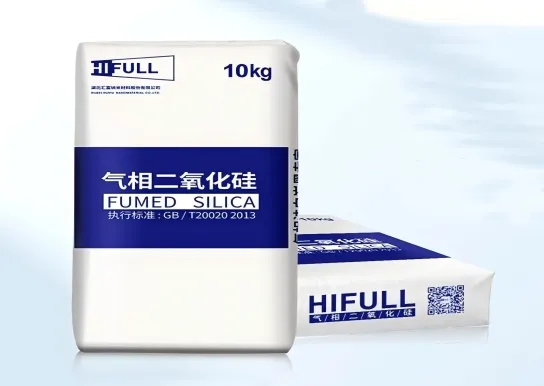
Fast, room-temperature curing system designed for precise silicone mould replication.
Excellent compatibility with Dow SILASTIC RTV-3083 base polymer for consistent, bubble-free castings.
Low exotherm during cure minimizes thermal stress and distortion in delicate master patterns.
Provides high tear strength and dimensional stability in final cured moulds.
Non-corrosive formulation ensures compatibility with common model-making materials including resins, clays, and 3D-printed plastics.
Prototyping and low-volume production of polyurethane, epoxy, and polyester resin parts.
Artistic casting and sculpture reproduction in fine art and design studios.
Architectural scale modelling and façade component replication.
Automotive interior trim and dashboard component prototyping.
Jewellery investment moulding and small-part precision duplication.
| Chemical Type | Pt-catalyzed addition-cure silicone curing agent |
| Product Form | Liquid |
| Appearance | Clear, pale yellow liquid |
| Primary Applications | RTV silicone mould-making systems |
| Key Features | Room-temperature cure, low viscosity, controlled pot life |
| Recommended Mix Ratio (by weight) | 100:1.5 (Base:Curing Agent) |
| Cure Time (25°C, 50% RH) | Surface tack-free in ~30 minutes; full cure in 24 hours |
| Storage Stability (unopened, 25°C) | 12 months |
Q1: What is the primary function of SILASTIC RTV-3083 in silicone mould-making systems?
A: SILASTIC RTV-3083 is a platinum-based curing agent designed to initiate and control the hydrosilylation reaction in addition-cure liquid silicone rubber (LSR) formulations, enabling precise, low-heat vulcanization essential for high-fidelity mould reproduction.
Q2: How should RTV-3083 be handled and stored to maintain its activity?
A: Store in original sealed containers at temperatures between 5 °C and 25 °C, protected from moisture, direct sunlight, and airborne contaminants. Avoid prolonged exposure to ambient air during dispensing, as platinum catalysts can be deactivated by sulfur-, nitrogen-, or phosphorus-containing compounds.
Q3: Is RTV-3083 compatible with common silicone base polymers used in mould-making?
A: Yes — it is specifically formulated for compatibility with vinyl-terminated polydimethylsiloxane (VT-PDMS) base polymers and standard silicone fillers. Compatibility should always be verified in the final formulation, particularly when inhibitors or specialty additives are present.
Q4: What effect does RTV-3083 dosage have on cure speed and final mould properties?
A: Cure speed increases with higher catalyst concentration, while lower dosages provide extended working time and improved flow for intricate cavity filling. Final physical properties (e.g., elongation, tear strength) are generally stable across the recommended dosage range, provided full cure is achieved.
Q5: Can RTV-3083 be used for food-grade or medical-grade mould applications?
A: SILASTIC RTV-3083 is intended for industrial mould-making and is not pre-certified for direct food-contact or implantable medical device applications. End-use compliance requires full system validation, including extraction testing and regulatory review of the complete cured elastomer formulation.
Contact With Us:
E-mail: wangxingqiang@ericwchem.com
Have a Questions? Call Us:
Add:
Building A1, Jiete Industrial Park, Huangpu District, Guangzhou City, Guangdong Province, China