English
 Español
 tiếng việt
 русский
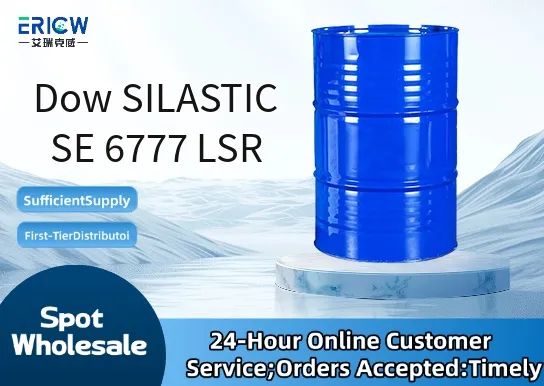
Platinum-catalyzed liquid silicone rubber (LSR) with excellent thermal stability and low compression set.
High biocompatibility, compliant with USP Class VI and ISO 10993-5/10 for medical device applications.
Optimized rheology for high-precision injection molding of thin-walled and complex geometries.
Fast cure kinetics enabling short cycle times and high-volume production efficiency.
Excellent adhesion to engineered thermoplastics and metals without primers in many configurations.
Medical-grade wearable sensors and skin-contact patches.
Seals and gaskets for implantable and diagnostic devices.
Soft-touch overmolded components for surgical instruments and drug delivery systems.
Microfluidic device housings requiring dimensional stability and chemical resistance.
Pharmaceutical stoppers and closures for parenteral packaging.
| Chemical Type | Platinum-catalyzed addition-cure liquid silicone rubber |
| Product Form | Two-part (A + B) liquid system, supplied as separate syringes or bulk containers |
| Appearance (Part A) | Translucent, viscous liquid |
| Appearance (Part B) | Translucent, viscous liquid |
| Base Polymer | Dimethyl siloxane copolymer with vinyl functionality |
| Cure Temperature Range | 110–180 °C |
| Shore A Hardness (Cured) | 65 ± 3 |
| Primary Applications | Medical devices, pharmaceutical packaging, diagnostics, wearables |
Q1: What is the primary application area for Dow SILASTIC SE 6777 LSR?
A: Dow SILASTIC SE 6777 LSR is a two-part, platinum-cured liquid silicone rubber formulated for high-precision, high-volume injection molding—particularly in medical device components, infant care products, and food-contact applications requiring excellent biocompatibility and thermal stability.
Q2: Is this material suitable for sterilization, and which methods are commonly used?
A: Yes, Dow SILASTIC SE 6777 LSR maintains structural integrity and performance after repeated exposure to standard medical sterilization methods—including steam autoclaving, gamma irradiation, and ethylene oxide (EtO). Its formulation supports robust post-sterilization mechanical properties and low extractables.
Q3: How does SE 6777 differ from general-purpose LSRs in terms of processing behavior?
A: SE 6777 offers enhanced flow characteristics and reduced viscosity at processing temperatures, enabling reliable filling of thin-walled and micro-structured molds. It also features a well-balanced cure profile—providing sufficient pot life for mixing and dispensing while supporting fast cycle times in production-scale injection molding.
Q4: Does this grade require post-cure, and when is it recommended?
A: Post-cure is not strictly required for basic physical property development, but it is recommended for applications demanding maximum thermal stability, lowest possible volatile content, or compliance with stringent regulatory expectations—especially in Class II/III medical devices or long-term implantables.
Contact With Us:
E-mail: wangxingqiang@ericwchem.com
Have a Questions? Call Us:
Add:
Building A1, Jiete Industrial Park, Huangpu District, Guangzhou City, Guangdong Province, China