English
 Español
 tiếng việt
 русский
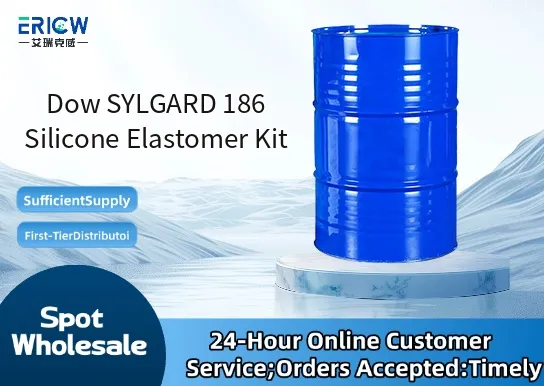
Two-part, platinum-catalyzed silicone elastomer system offering excellent flexibility and low compression set.
Room temperature curing with adjustable pot life and rapid demold time for efficient prototyping and production.
Exceptional thermal stability across a wide operating range (–65 °C to 200 °C).
High dielectric strength and outstanding electrical insulation properties.
Biocompatibility compliant with USP Class VI and ISO 10993-5 for medical device applications.
Medical device encapsulation and implantable component molding.
Flexible electronics encapsulation and conformal coating for sensors and wearable devices.
Soft-touch overmolding of handheld diagnostic instruments and surgical tools.
Prototyping of anatomical models and surgical training simulators.
Sealing and gasketing in aerospace and automotive environments requiring high reliability.
| Chemical Type | Platinum-catalyzed addition-cure silicone elastomer |
| Product Form | Two-component liquid kit (Part A + Part B) |
| Appearance | Part A: Clear, low-viscosity liquid; Part B: Clear, low-viscosity liquid |
| Mix Ratio (by weight) | 10:1 (Part A : Part B) |
| Cure Mechanism | Room temperature or elevated temperature addition cure |
| Shore A Hardness (7 days, 23 °C) | 10–12 |
| Tensile Strength (ASTM D412) | 1.0–1.3 MPa |
| Elongation at Break (ASTM D412) | 150–200% |
Q1: What is the typical mixing ratio of Part A to Part B?
A: Dow SYLGARD 186 is supplied as a two-component system with a fixed 10:1 weight ratio of Base (Part A) to Curing Agent (Part B). Accurate weighing and thorough mixing are essential to achieve consistent cure performance and optimal elastomeric properties.
Q2: How long does it take for SYLGARD 186 to fully cure?
A: Cure time depends on temperature and part thickness. At room temperature (23–25 °C), surface tack-free time is typically 1–2 hours, while full physical property development generally requires 24–72 hours. Elevated temperatures (e.g., 60–80 °C) significantly accelerate cure and improve crosslink density.
Q3: Is SYLGARD 186 suitable for encapsulation of sensitive electronic components?
A: Yes — SYLGARD 186 is widely used for potting and encapsulation in electronics due to its low modulus, excellent thermal stability, electrical insulation, and minimal stress generation during cure and thermal cycling. Its low shrinkage and adhesion to common substrates support reliable long-term protection.
Q4: Can SYLGARD 186 be post-cured, and what are the benefits?
A: Post-curing is recommended for applications requiring maximum thermal stability, chemical resistance, or mechanical consistency. A typical post-cure cycle (e.g., 2–4 hours at 60–100 °C) helps complete the crosslinking reaction, reduces residual volatiles, and enhances long-term performance under elevated temperature conditions.
Contact With Us:
E-mail: wangxingqiang@ericwchem.com
Have a Questions? Call Us:
Add:
Building A1, Jiete Industrial Park, Huangpu District, Guangzhou City, Guangdong Province, China