English
 Español
 tiếng việt
 русский
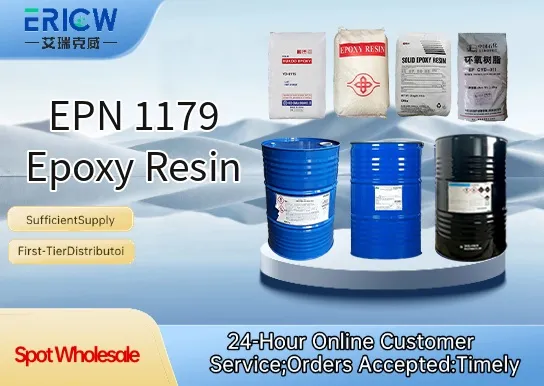
High-purity bisphenol-F-based epoxy resin with low chloride content.
Excellent thermal stability and glass transition temperature (Tg) retention after curing.
Low viscosity enables easy processing and improved filler/wetting compatibility.
Superior chemical resistance to alkalis, solvents, and mild acids in cured form.
Consistent reactivity profile suitable for both ambient and elevated temperature curing systems.
High-performance composite matrices for aerospace and wind turbine blade manufacturing.
Electrical encapsulation and potting compounds for power electronics and transformers.
Structural adhesives requiring elevated temperature resistance and dimensional stability.
Coating systems for industrial flooring and corrosion-resistant tank linings.
Prepreg formulations demanding low volatile content and high resin homogeneity.
| Chemical Type | Bisphenol-F epoxy resin |
| Product Form | Liquid |
| Appearance | Pale yellow to colorless transparent liquid |
| Epoxy Equivalent Weight (EEW) | 165–175 g/eq |
| Viscosity at 25°C | 12,000–16,000 mPa·s |
| Chlorine Content | ≤ 800 ppm |
| Softening Point | Not applicable (liquid at room temperature) |
| Storage Stability | ≥ 12 months at 20–25°C in sealed containers |
Q1: What is the primary functional role of EPN 1179 in epoxy formulations?
A: EPN 1179 functions as a reactive diluent and viscosity modifier, enabling improved processability while maintaining crosslink density and thermal stability in cured systems.
Q2: Is EPN 1179 compatible with standard amine and anhydride hardeners?
A: Yes, EPN 1179 demonstrates broad compatibility with common aliphatic and aromatic amines, as well as cyclic anhydrides, supporting flexible cure schedule design across ambient and elevated temperature conditions.
Q3: How does EPN 1179 affect the glass transition temperature (Tg) of cured epoxy networks?
A: When incorporated at typical usage levels, EPN 1179 generally supports retention of high Tg performance—often comparable to or slightly lower than the base resin system—depending on overall formulation balance and cure profile.
Q4: Can EPN 1179 be used in coatings requiring FDA-compliant food-contact approval?
A: EPN 1179 is not pre-approved for direct food-contact applications; end-use compliance requires full formulation evaluation by qualified regulatory experts against applicable jurisdictional requirements.
Contact With Us:
E-mail: wangxingqiang@ericwchem.com
Have a Questions? Call Us:
Add:
Building A1, Jiete Industrial Park, Huangpu District, Guangzhou City, Guangdong Province, China