English
 Español
 tiếng việt
 русский
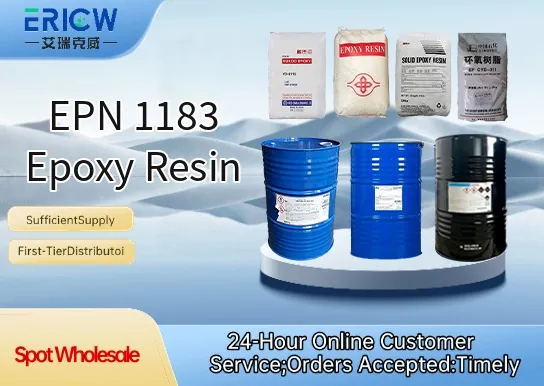
High-purity bisphenol-F-based epoxy resin with low chloride content for enhanced electrical insulation.
Excellent thermal stability and glass transition temperature (Tg) suitable for elevated-temperature curing processes.
Low viscosity at processing temperatures, enabling easy handling, mixing, and impregnation into fiber reinforcements.
Superior chemical resistance to alkalis, solvents, and mild acids in cured form.
Consistent batch-to-batch performance and stringent quality control per ISO 9001 manufacturing standards.
Electrical encapsulation and potting compounds for high-voltage transformers and insulators.
Structural adhesives in aerospace composite assemblies requiring thermal and dimensional stability.
Matrix resin for filament-wound pressure vessels and cryogenic storage tanks.
High-performance coatings for corrosion-resistant linings in chemical process equipment.
Prepreg systems for carbon fiber reinforced laminates used in defense and motorsport components.
| Chemical Type | Bisphenol-F epoxy resin |
| Product Form | Clear to pale yellow viscous liquid |
| Appearance | Homogeneous, transparent, free of sediment or haze |
| Epoxy Equivalent Weight (EEW) | 175–185 g/eq |
| Viscosity (25°C) | 12,000–16,000 mPa·s |
| Chloride Content | ≤ 500 ppm |
| Softening Point | 12–16°C |
| Primary Applications | High-performance composites, electrical insulation, structural adhesives |
Q1: What is the primary function of EPN 1183 in epoxy formulations?
A: EPN 1183 is a solid, novolac-type epoxy resin designed to enhance thermal stability, chemical resistance, and crosslink density in high-performance epoxy systems—particularly where elevated temperature resistance and low shrinkage are required.
Q2: How is EPN 1183 typically processed in industrial manufacturing?
A: Due to its solid form and high softening point, EPN 1183 is generally dissolved or dispersed into liquid epoxy resins or solvents at elevated temperatures, then homogenized before adding curing agents. Melt-blending and hot-mix processing are common for composites and powder coatings.
Q3: Is EPN 1183 suitable for electrical encapsulation applications?
A: Yes—its high glass transition temperature, low ionic impurity content, and excellent dielectric properties make it well-suited for electrical and electronic encapsulants, especially in demanding environments requiring long-term reliability under thermal cycling.
Q4: What types of curing agents are commonly used with EPN 1183?
A: It is compatible with a range of latent and active hardeners—including dicyandiamide (DICY), aromatic amines, anhydrides, and phenolic resins—depending on the desired cure profile, final Tg, and application requirements such as powder coating or prepreg processing.
Contact With Us:
E-mail: wangxingqiang@ericwchem.com
Have a Questions? Call Us:
Add:
Building A1, Jiete Industrial Park, Huangpu District, Guangzhou City, Guangdong Province, China