English
 Español
 tiếng việt
 русский
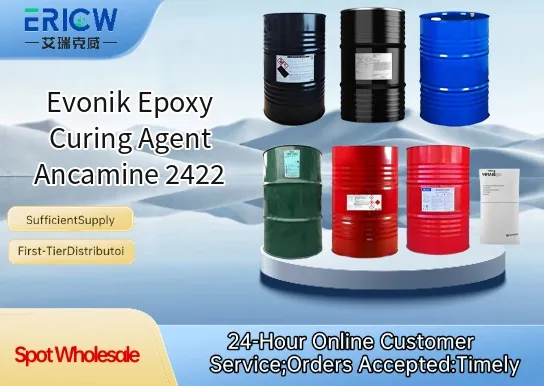
Fast-reacting aliphatic amine curing agent enabling rapid room-temperature cure of epoxy resins.
Low viscosity and excellent compatibility with standard bisphenol-A and bisphenol-F epoxy systems.
Provides outstanding flexibility and impact resistance in cured films without compromising chemical resistance.
Low volatility and reduced amine odor compared to conventional aliphatic amines, improving workplace safety.
Enables formulation of high-solids, low-VOC coatings and adhesives compliant with modern environmental regulations.
Industrial maintenance coatings for steel and concrete infrastructure.
High-performance floor coatings in warehouses, manufacturing facilities, and pharmaceutical cleanrooms.
Structural adhesives for metal-to-metal and composite bonding in transportation equipment.
Electrical encapsulation and potting compounds requiring fast turnaround and thermal stability.
Repair mortars and grouts where rapid strength development and moisture tolerance are critical.
| Chemical Type | Aliphatic polyamine |
| Product Form | Liquid |
| Appearance | Clear, pale yellow liquid |
| Primary Applications | Coatings, adhesives, encapsulants, repair mortars |
| Key Features | Room-temperature cure, low viscosity, low odor |
| Benefits | Fast handling strength, excellent flexibility, good chemical resistance |
| Storage Stability | At least 12 months in original sealed container at 20–25 °C |
| Reactivity Profile | Compatible with standard DGEBA epoxy resins (e.g., EPON 828, Araldite LY556) |
Q1: What is the primary chemical class of Ancamine 2422?
A: Ancamine 2422 is an aliphatic polyamine-based epoxy curing agent, designed to provide rapid ambient-cure performance with low volatility and reduced irritation potential compared to conventional amine systems.
Q2: Is Ancamine 2422 suitable for coatings requiring FDA-compliant food-contact performance?
A: Ancamine 2422 is not pre-approved for direct food-contact applications under FDA or EU regulations. Its use in food-contact coatings requires full formulation-level compliance evaluation by a qualified regulatory expert, including migration testing and end-use validation.
Q3: How does Ancamine 2422 compare to traditional DETA or TETA in terms of handling safety?
A: Ancamine 2422 offers improved handling characteristics, including lower vapor pressure and reduced skin sensitization potential, making it a safer alternative for industrial environments where worker exposure control is a priority.
Q4: Can Ancamine 2422 be used in high-solids or solvent-free epoxy formulations?
A: Yes — Ancamine 2422 is fully compatible with high-solids and 100% solids epoxy resins, supporting low-VOC and environmentally compliant coating systems without compromising cure speed or film properties.
Q5: What is the typical shelf life and recommended storage condition?
A: When stored unopened in original packaging at temperatures between 10–30 °C and protected from moisture, Ancamine 2422 maintains stability for at least 12 months. Prolonged exposure to humidity or elevated temperatures may affect reactivity and viscosity.
Contact With Us:
E-mail: wangxingqiang@ericwchem.com
Have a Questions? Call Us:
Add:
Building A1, Jiete Industrial Park, Huangpu District, Guangzhou City, Guangdong Province, China