English
 Español
 tiếng việt
 русский
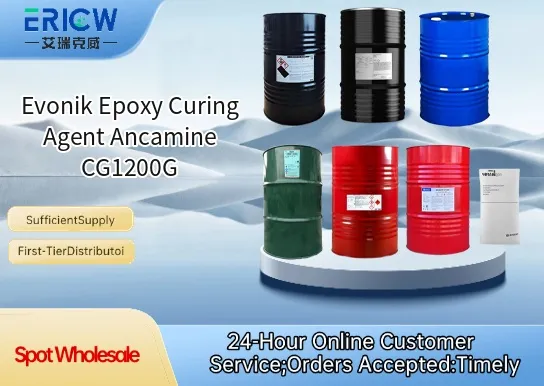
Fast ambient-cure capability enabling efficient room-temperature processing without forced heating.
Excellent chemical resistance, particularly to hydrolysis and aggressive solvents.
Low viscosity formulation ensures easy handling, precise metering, and superior wetting of substrates.
High reactivity with standard epoxy resins, delivering rapid development of mechanical strength.
Low odor and reduced volatility compared to traditional amine-based curing agents, supporting safer workplace conditions.
High-performance industrial flooring systems requiring rapid return-to-service.
Structural adhesives for metal, composite, and concrete bonding in transportation and construction.
Electrical encapsulation and potting compounds where thermal stability and dielectric integrity are critical.
Repair mortars and grouts demanding fast strength build-up and moisture tolerance.
Coating systems for corrosion protection in marine and infrastructure environments.
| Chemical Type | Cycloaliphatic amine adduct |
| Product Form | Liquid |
| Appearance | Pale yellow to amber clear liquid |
| Primary Applications | Epoxy resin curing agent for coatings, adhesives, and composites |
| Key Features | Ambient-curing, low viscosity, hydrolysis-resistant |
| Benefits | Reduced VOC, improved operator safety, faster production cycles |
| Storage Stability | At least 12 months at 25 °C in original unopened container |
| Compatibility | Compatible with standard bisphenol-A and bisphenol-F epoxy resins |
Q1: What is the primary functional role of Ancamine CG1200G in epoxy systems?
A: Ancamine CG1200G is a low-viscosity, amine-functional curing agent designed to react with epoxy resins—particularly diglycidyl ether of bisphenol-A (DGEBA) and novolac types—to form thermoset networks. It enables rapid ambient- or elevated-temperature cure profiles while supporting good chemical resistance and mechanical performance in final coatings and composites.
Q2: Is Ancamine CG1200G suitable for high-solids or solvent-free epoxy formulations?
A: Yes, its low viscosity and high amine hydrogen equivalent weight make it well-suited for high-solids, low-VOC, and 100%-solids epoxy systems. It contributes to favorable pot life and film formation without requiring excessive diluents, supporting compliance with evolving environmental regulations in industrial coating applications.
Q3: How does Ancamine CG1200G compare to traditional aliphatic amines in terms of handling and safety?
A: Compared to many standard aliphatic amines, CG1200G exhibits reduced volatility and lower skin sensitization potential due to its modified molecular structure. While it still requires appropriate personal protective equipment (PPE) and ventilation during handling, it offers improved workplace safety margins in mixing and application environments.
Q4: Can Ancamine CG1200G be used in combination with other curing agents or accelerators?
A: Yes, it is commonly blended with complementary curing agents—such as aromatic amines or latent catalysts—to tailor cure speed, glass transition temperature (Tg), and thermal stability. Compatibility and synergy should be verified experimentally for each specific resin system and end-use requirement.
Contact With Us:
E-mail: wangxingqiang@ericwchem.com
Have a Questions? Call Us:
Add:
Building A1, Jiete Industrial Park, Huangpu District, Guangzhou City, Guangdong Province, China