English
 Español
 tiếng việt
 русский
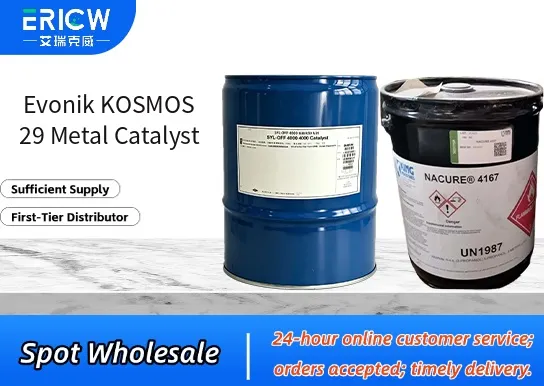
Highly selective transition metal-based catalyst optimized for hydrogenation and dehydrogenation reactions.
Thermally stable under elevated process temperatures, supporting robust performance in continuous industrial operations.
Low metal leaching profile ensures extended catalyst lifetime and reduced downstream contamination risks.
Engineered for excellent dispersion on inert supports, enabling consistent activity across batch and flow reactor systems.
Designed for compatibility with common organic solvents and process streams, minimizing formulation constraints.
Hydrogenation of unsaturated fatty acids and esters in oleochemical processing.
Selective reduction of nitro groups in fine chemical and pharmaceutical intermediate synthesis.
Dehydrogenation of alcohols to carbonyl compounds in fragrance and flavor manufacturing.
Catalytic upgrading of bio-based feedstocks in renewable fuel production pathways.
Continuous-flow hydrogenation in microreactor and pilot-scale modular plants.
| Chemical Type | Supported transition metal catalyst (Ni–Co bimetallic system) |
| Product Form | Powdered solid on high-surface-area alumina support |
| Appearance | Gray to black free-flowing granular powder |
| Primary Applications | Hydrogenation, dehydrogenation, and selective reduction reactions |
| Key Features | High selectivity, thermal stability, low leaching, solvent compatibility |
| Recommended Storage | Under inert atmosphere (N₂ or Ar), dry and cool conditions (<30 °C) |
| Handling Precautions | Avoid exposure to air/moisture; use in well-ventilated areas with appropriate PPE |
| Regulatory Status | REACH registered; not classified as hazardous under GHS (as supplied) |
Q1: What is the primary function of KOSMOS 29 in polymerization processes?
A: KOSMOS 29 is a transition metal-based catalyst designed to accelerate crosslinking and condensation reactions—particularly in silicone, polyurethane, and hybrid resin systems—by facilitating efficient bond formation under mild thermal conditions.
Q2: Is KOSMOS 29 compatible with moisture-cure formulations?
A: Yes, KOSMOS 29 is formulated for compatibility with ambient- and moisture-cure chemistries, where it enhances cure speed and depth without compromising shelf stability when properly dispersed and stored under dry conditions.
Q3: How should KOSMOS 29 be incorporated into a formulation?
A: It is typically added during the late-stage mixing phase under inert or low-humidity conditions to ensure uniform dispersion. Pre-dilution in a compatible solvent or carrier resin is recommended to avoid localized over-catalysis.
Q4: Does KOSMOS 29 require special handling or storage precautions?
A: As a reactive metal catalyst, it should be stored in tightly sealed containers under dry, cool conditions away from direct sunlight and incompatible materials such as strong oxidizers or acidic compounds. Standard industrial PPE—including gloves and eye protection—is recommended during handling.
Q5: Can KOSMOS 29 be used in food-contact or pharmaceutical-grade applications?
A: KOSMOS 29 is not pre-qualified for direct food-contact or pharmaceutical use. Its suitability for regulated end uses must be evaluated case-by-case through full formulation testing and compliance verification with applicable regional regulatory frameworks.
Contact With Us:
E-mail: wangxingqiang@ericwchem.com
Have a Questions? Call Us:
Add:
Building A1, Jiete Industrial Park, Huangpu District, Guangzhou City, Guangdong Province, China