English
 Español
 tiếng việt
 русский
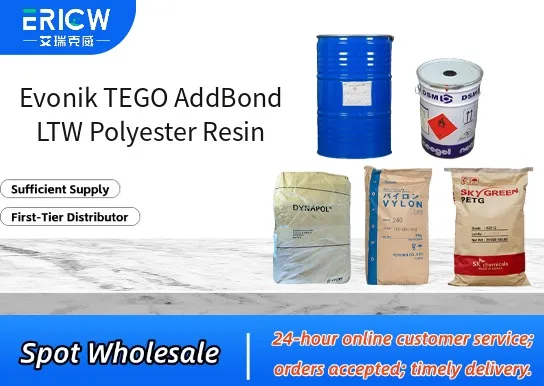
Enables low-temperature curing of unsaturated polyester (UP) resins without compromising mechanical performance.
Significantly reduces styrene emissions during processing due to optimized reactivity profile.
Improves interfacial adhesion between resin matrix and glass/carbon fibers in reinforced composites.
Enhances gel time control and pot life stability at ambient and mildly elevated temperatures.
Compatible with standard free-radical initiators and conventional UP resin formulations.
Fiberglass-reinforced plastic (FRP) components for transportation interiors and body panels.
Low-emission marine hulls and deck parts manufactured via open-mold or spray-up processes.
Architectural cladding and façade elements requiring high surface quality and reduced VOC release.
Industrial tanks and corrosion-resistant linings produced using ambient-cure techniques.
Wind turbine blade subcomponents where energy-efficient, low-heat curing is critical.
| Chemical Type | Reactive co-monomer / functional additive for unsaturated polyester resins |
| Product Form | Liquid |
| Appearance | Clear, pale yellow liquid |
| Primary Applications | Low-temperature curing systems for UP-based composites |
| Key Features | Styrene emission reduction, improved fiber-matrix adhesion, extended working time |
| Benefits | Energy savings, improved workplace safety, enhanced composite durability |
| Storage Conditions | Store in original sealed container at 5–30 °C; protect from moisture and direct sunlight |
| Shelf Life | 12 months from date of manufacture under recommended storage conditions |
Q1: What is the primary function of TEGO AddBond LTW in unsaturated polyester resin systems?
A: TEGO AddBond LTW acts as a reactive adhesion promoter and interfacial modifier, enhancing bond strength between polyester resins and challenging substrates such as glass, metals, or mineral-filled composites—particularly in low-temperature or ambient-cure applications.
Q2: How does TEGO AddBond LTW differ from conventional silane coupling agents?
A: Unlike non-reactive silanes, TEGO AddBond LTW contains polymerizable vinyl ester functionality that co-reacts with the polyester matrix during curing, enabling covalent integration into the network rather than surface-only bonding.
Q3: Is TEGO AddBond LTW compatible with standard free-radical initiators used in polyester processing?
A: Yes—it is fully compatible with common peroxide initiators (e.g., MEKP, BPO) and does not interfere with typical gel time, cure profile, or final crosslink density when incorporated at recommended dosage levels.
Q4: Can TEGO AddBond LTW improve performance in wet or humid service environments?
A: Yes—by forming hydrolytically stable covalent bonds at the resin–substrate interface, it helps maintain adhesion integrity under prolonged exposure to moisture, reducing the risk of interfacial degradation compared to non-functionalized additives.
Q5: What is the typical dosage range for optimal performance in standard laminating or casting formulations?
A: Dosage depends on substrate type and performance requirements, but it is typically used at low concentrations—generally ranging from 0.1% to 2% by weight relative to the total resin solids—to balance effectiveness with process stability and final properties.
Contact With Us:
E-mail: wangxingqiang@ericwchem.com
Have a Questions? Call Us:
Add:
Building A1, Jiete Industrial Park, Huangpu District, Guangzhou City, Guangdong Province, China