English
 Español
 tiếng việt
 русский
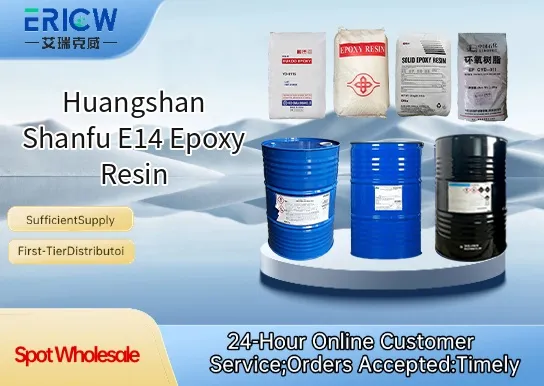
High purity bisphenol-A based liquid epoxy resin with consistent epoxide equivalent weight (EEW) for reliable curing performance.
Low viscosity (10,000–12,000 cP at 25°C) enabling excellent flow, wetting, and ease of processing in casting and impregnation applications.
Excellent thermal stability and chemical resistance, particularly to alkalis and diluted acids after full cure.
Low volatile organic compound (VOC) content, meeting stringent environmental and occupational health requirements for industrial use.
Compatible with a wide range of amine, anhydride, and phenolic hardeners for tailored cure profiles and mechanical properties.
Electrical insulation systems for dry-type transformers and reactors.
Structural adhesives in automotive and aerospace composite bonding.
Encapsulation and potting compounds for power electronics and LED modules.
Reinforced thermoset composites in wind turbine blade manufacturing.
High-performance coatings for corrosion protection in marine and industrial infrastructure.
| Chemical Type | Bisphenol-A epoxy resin |
| Product Form | Clear, low-viscosity liquid |
| Appearance | Colorless to pale yellow, transparent |
| Epoxide Equivalent Weight (EEW) | 185–192 g/eq |
| Viscosity (25°C) | 10,000–12,000 cP |
| Chloride Content | ≤ 800 ppm |
| Softening Point | 12–15°C |
| Storage Stability | ≥ 12 months at <25°C in sealed containers |
Q1: What is the primary application of Huangshan Shanfu E14 Epoxy Resin?
A: Huangshan Shanfu E14 is a liquid bisphenol-A based epoxy resin widely used in high-performance coatings, electrical encapsulation, and composite matrix systems where good mechanical strength, chemical resistance, and adhesion are required.
Q2: How is E14 typically cured, and what types of hardeners are compatible?
A: E14 is commonly cured with amine-based hardeners (e.g., aliphatic or cycloaliphatic amines), anhydrides, or catalytic systems. Selection depends on desired pot life, cure schedule, and final performance requirements—formulators often optimize for ambient or elevated temperature curing.
Q3: Is E14 suitable for food-contact or potable water applications?
A: E14 is not pre-certified for direct food contact or drinking water applications. Its use in such contexts requires full formulation evaluation and compliance verification by the end-user against applicable regional regulatory frameworks.
Q4: What are the key handling and storage recommendations?
A: Store in tightly sealed containers at temperatures between 10–30°C, away from moisture, strong oxidizers, and direct sunlight. Prolonged exposure to high humidity or freezing conditions may affect viscosity or reactivity—always inspect appearance and consistency before use.
Q5: How does E14 compare to other standard-grade epoxy resins like E-44 or E-51?
A: E14 offers a balanced combination of epoxy equivalent weight and viscosity—generally lower viscosity than E-44 and slightly higher than E-51—making it well-suited for formulations requiring good flow and wetting without excessive diluent addition.
Contact With Us:
E-mail: wangxingqiang@ericwchem.com
Have a Questions? Call Us:
Add:
Building A1, Jiete Industrial Park, Huangpu District, Guangzhou City, Guangdong Province, China