English
 Español
 tiếng việt
 русский
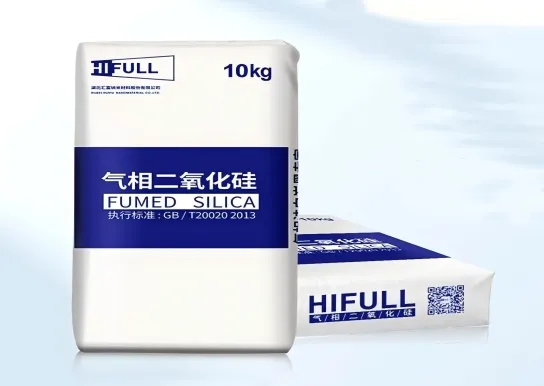
Highly stable anatase-phase crystalline structure optimized for selective catalytic reduction (SCR) reactions.
Enhanced thermal stability up to 600 °C, maintaining catalytic activity under prolonged high-temperature flue gas conditions.
Uniform particle size distribution with narrow PDI (<0.2), ensuring consistent coating performance on ceramic or metal catalyst substrates.
Low impurity content (Fe < 50 ppm, Na < 10 ppm), minimizing poisoning effects on vanadium-based or tungsten-based SCR catalyst systems.
Controlled surface hydroxyl density for optimal dispersion and adhesion in washcoat formulations.
Active support material in V₂O₅–WO₃/TiO₂ SCR catalysts for coal-fired power plant flue gas denitrification.
Core component in marine diesel engine aftertreatment systems complying with IMO Tier III NOₓ emission standards.
Functional additive in industrial boiler SCR catalysts for petrochemical and refinery applications.
Base material for next-generation low-temperature SCR catalysts targeting waste incineration and biomass combustion exhaust.
Washcoat constituent in automotive heavy-duty diesel SCR systems requiring robust sulfur resistance.
| Chemical Type | Anatase titanium dioxide (TiO₂) |
| Product Form | Fine white powder |
| Appearance | Free-flowing, non-hygroscopic powder |
| Primary Applications | SCR catalyst support and washcoat matrix |
| Key Features | High specific surface area (70–90 m²/g), low sulfate residue (<0.05 wt%), pH (slurry, 4% w/w) 4.5–6.0 |
| Benefits | Improved NOₓ conversion efficiency, extended catalyst service life, compatibility with common SCR active components |
| Packaging | 25 kg multi-layer paper bags with inner PE liner; bulk options available upon request |
| Storage Conditions | Store in cool, dry, well-ventilated area away from direct sunlight and moisture |
Q1: What is the primary function of Jinmao SCR Denitration Titanium Dioxide in selective catalytic reduction systems?
A: Jinmao SCR Denitration Titanium Dioxide serves as a high-performance support material and functional promoter in SCR catalyst formulations, enhancing thermal stability, surface area retention, and NOx conversion efficiency under demanding flue gas conditions.
Q2: How does this titanium dioxide differ from standard TiO2 pigments used in coatings or plastics?
A: Unlike pigment-grade TiO2, Jinmao SCR Denitration Titanium Dioxide is engineered with controlled crystallinity (predominantly anatase phase), tailored pore structure, and high purity to optimize catalytic activity and resistance to sintering and poisoning in high-temperature denitration applications.
Q3: Is it compatible with common SCR catalyst active components such as vanadium oxide or tungsten oxide?
A: Yes — Jinmao SCR Denitration Titanium Dioxide is specifically developed as a robust carrier for V2O5, WO3, and other transition metal oxides, offering strong metal-support interaction and uniform dispersion to improve catalyst durability and low-temperature NOx removal performance.
Q4: What are key handling and storage recommendations to maintain its performance integrity?
A: Store in a cool, dry, well-ventilated area, protected from moisture, direct sunlight, and airborne contaminants. Avoid prolonged exposure to humid environments prior to catalyst preparation, as excessive moisture may affect surface hydroxyl density and subsequent active component loading.
Contact With Us:
E-mail: wangxingqiang@ericwchem.com
Have a Questions? Call Us:
Add:
Building A1, Jiete Industrial Park, Huangpu District, Guangzhou City, Guangdong Province, China