English
 Español
 tiếng việt
 русский
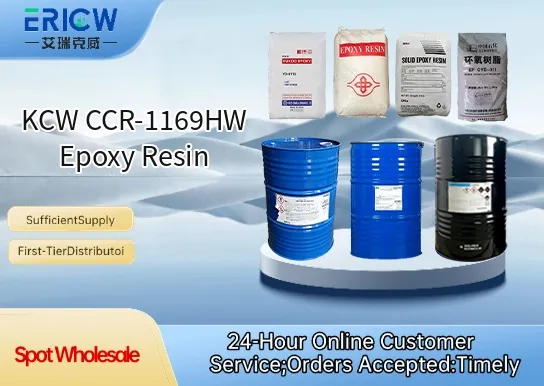
High-purity bisphenol-A based liquid epoxy resin with low ionic chloride content.
Excellent thermal stability and low viscosity for enhanced processability in casting and impregnation.
Superior electrical insulation properties, ideal for high-reliability electronic encapsulation.
Low volatility and minimal odor, supporting safer handling in controlled manufacturing environments.
Consistent reactivity profile with standard amine and anhydride curing agents.
Encapsulation of power electronics and IGBT modules.
Insulating potting compounds for transformers and inductors.
High-voltage bushing and insulator casting resins.
Electrical laminates and prepreg systems for printed circuit board substrates.
Structural adhesives requiring high dielectric strength and thermal endurance.
| Chemical Type | Bisphenol-A epoxy resin |
| Product Form | Clear, pale yellow liquid |
| Appearance | Transparent, slightly viscous liquid at 25°C |
| Epoxy Equivalent Weight (EEW) | 185–192 g/eq |
| Viscosity (25°C) | 12,000–14,000 cP |
| Chloride Content | ≤ 800 ppm |
| Volatiles Content | ≤ 0.3 wt% |
| Storage Stability | ≥ 12 months at 25°C in sealed original container |
Q1: What is the primary functional role of KCW CCR-1169HW in epoxy formulations?
A: KCW CCR-1169HW is a high-purity cycloaliphatic epoxy resin designed to serve as a reactive diluent and viscosity modifier. It enhances flow characteristics and improves crosslink density without significantly compromising thermal or chemical resistance.
Q2: Is KCW CCR-1169HW compatible with standard amine and anhydride curing agents?
A: Yes, it demonstrates broad compatibility with common aliphatic and aromatic amines, as well as cyclic anhydrides. Its low steric hindrance and balanced reactivity support consistent gel times and full cure development under conventional thermal conditions.
Q3: How does KCW CCR-1169HW differ from conventional bisphenol-A based epoxy resins in performance-critical applications?
A: Unlike bisphenol-A epoxies, CCR-1169HW offers superior UV stability, lower moisture absorption, and enhanced electrical insulation properties due to its saturated cycloaliphatic backbone. It is particularly favored in outdoor coatings, encapsulants, and high-voltage insulation systems where long-term environmental resistance is essential.
Q4: What handling precautions should be observed during processing?
A: As with most epoxy resins, standard industrial hygiene practices apply: use in well-ventilated areas, wear appropriate PPE (gloves, safety glasses), and avoid prolonged skin contact. The material is non-volatile and has low acute toxicity, but uncured resin may cause sensitization with repeated exposure.
Contact With Us:
E-mail: wangxingqiang@ericwchem.com
Have a Questions? Call Us:
Add:
Building A1, Jiete Industrial Park, Huangpu District, Guangzhou City, Guangdong Province, China