English
 Español
 tiếng việt
 русский
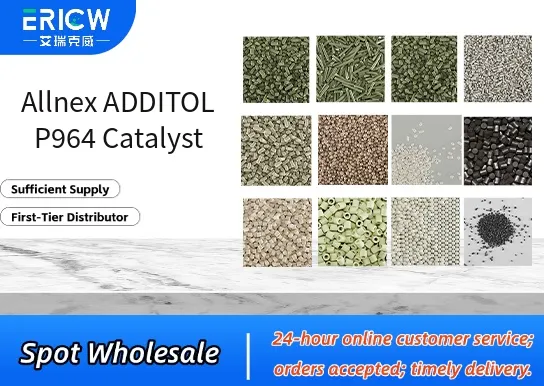
Highly selective palladium-based heterogeneous catalyst for controlled hydrogenation reactions.
Thermally stable up to 180 °C, enabling robust performance in continuous-flow and batch reactor systems.
Low metal leaching (<0.1 ppm Pd in filtrate), ensuring product purity and compliance with stringent pharmaceutical standards.
Engineered with optimized surface area (120–140 m²/g) for enhanced mass transfer and consistent activity across batches.
Supplied as a free-flowing, non-dusting powder for safe handling and seamless integration into existing catalyst charging systems.
Hydrogenation of nitroarenes to aromatic amines in fine chemical synthesis.
Selective reduction of alkynes to cis-alkenes in agrochemical intermediate manufacturing.
Catalytic deprotection of benzyl and allyl groups in peptide and oligonucleotide chemistry.
Reductive amination processes for active pharmaceutical ingredient (API) production.
Hydrogenolysis of C–O bonds in lignin-derived platform molecules for sustainable monomer synthesis.
| Chemical Type | Palladium on high-surface-area carbon support |
| Product Form | Free-flowing black powder |
| Appearance | Black granular solid |
| Palladium Content | 5.0 wt% ± 0.3 wt% |
| Moisture Content | ≤ 1.5 wt% |
| Ignition Loss (550 °C) | ≤ 12 wt% |
| Particle Size Distribution (D₉₀) | ≤ 125 μm |
| Storage Condition | Store under inert atmosphere at room temperature; protect from moisture and strong oxidizers |
Q1: What is the primary function of N-2500 in polyurethane systems?
A: N-2500 is a selective amine-based catalyst designed to promote urethane (polyol–isocyanate) bond formation while providing balanced control over gelation and surface cure—particularly beneficial in flexible slabstock, molded foam, and integral skin applications.
Q2: How does N-2500 compare to traditional tertiary amine catalysts in terms of odor and volatility?
A: N-2500 exhibits significantly lower volatility and reduced amine odor compared to many conventional liquid tertiary amines, supporting improved workplace handling and contributing to lower post-cure emissions in sensitive applications.
Q3: Is N-2500 compatible with common polyurethane formulation components?
A: Yes—N-2500 demonstrates good compatibility with standard polyols (including polyester and polyether types), aromatic and aliphatic isocyanates, water, physical blowing agents, surfactants, and flame retardants typically used in industrial PU systems.
Q4: What is the typical dosage range for N-2500 in foam formulations?
A: Dosage is formulation-dependent, but N-2500 is typically used at low concentrations—generally ranging from 0.1% to 2% by weight relative to the polyol component—with optimal levels determined through lab-scale optimization for cure profile and foam morphology.
Q5: Can N-2500 be used in moisture-cure or one-component PU sealants?
A: While primarily developed for two-component foams and elastomers, N-2500 has been evaluated in select one-component moisture-cure systems where controlled latency and consistent cure development are required; however, compatibility and performance must be verified under actual end-use conditions.
Contact With Us:
E-mail: wangxingqiang@ericwchem.com
Have a Questions? Call Us:
Add:
Building A1, Jiete Industrial Park, Huangpu District, Guangzhou City, Guangdong Province, China