English
 Español
 tiếng việt
 русский
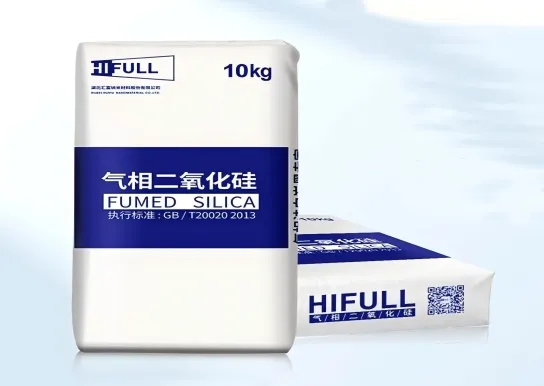
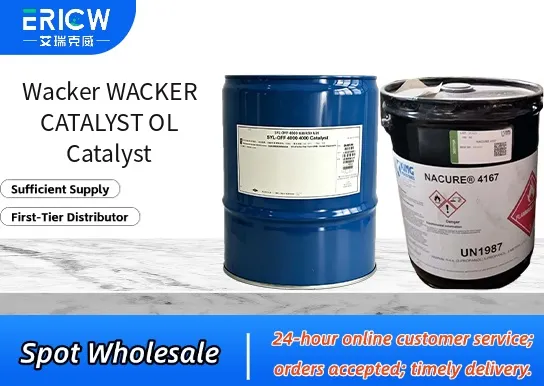
Fast, room-temperature curing system for efficient mold production cycles.
Excellent compatibility with Dow SILASTIC RTV-3080 base polymer for consistent silicone rubber performance.
Low viscosity and high reactivity ensure uniform dispersion and precise stoichiometric control.
Produces flexible, tear-resistant molds with outstanding detail reproduction and surface fidelity.
Free of hazardous solvents and heavy-metal catalysts, supporting safer handling and regulatory compliance.
Artistic and architectural casting molds for concrete, plaster, and gypsum replicas.
Prototyping and low-volume production molds for polyurethane, epoxy, and polyester resins.
Medical device component replication requiring biocompatible-grade silicone tooling.
Jewelry and decorative item mold-making where fine surface texture retention is critical.
| Chemical Type | Pt-catalyzed addition-cure curing agent |
| Product Form | Liquid |
| Appearance | Clear, colorless to pale yellow liquid |
| Primary Applications | Mold-making for RTV silicone elastomers |
| Key Features | Room-temperature cure, platinum-based, non-corrosive |
| Benefits | High dimensional stability, minimal shrinkage, excellent shelf life |
| Storage Conditions | Store at 5–25°C in original sealed container; protect from moisture and direct sunlight |
Q1: What is the primary function of RTV-3081 in silicone mould-making systems?
A: RTV-3081 is a platinum-based curing agent designed to initiate and accelerate the hydrosilylation reaction in addition-cure liquid silicone rubber (LSR) formulations, enabling rapid, low-heat vulcanization essential for high-fidelity mould reproduction.
Q2: Is RTV-3081 compatible with all Dow SILASTIC® addition-cure silicones?
A: RTV-3081 is specifically formulated for use with Dow’s range of platinum-catalyzed, addition-cure LSRs—including SILASTIC® 4000 series—but compatibility must be verified per formulation due to potential sensitivity to inhibitors or fillers in custom systems.
Q3: How should RTV-3081 be handled and stored to maintain activity?
A: Store unopened containers under refrigerated conditions (2–8 °C), protect from moisture and direct sunlight, and avoid repeated freeze-thaw cycles; allow material to equilibrate to room temperature before dispensing to ensure consistent metering and reactivity.
Q4: Can RTV-3081 be used for food-grade or medical-grade mould applications?
A: While RTV-3081 itself is not certified for direct food or medical contact, it may be incorporated into fully validated, compliant silicone formulations where final cured elastomer meets applicable regulatory requirements—subject to full system testing and approval by the end-user.
Q5: What are common causes of incomplete cure or surface inhibition when using RTV-3081?
A: Incomplete cure or inhibition is often linked to contamination from nitrogen-containing compounds (e.g., amine-based release agents), sulfur- or phosphorus-containing materials, or excessive moisture; thorough cleaning of substrates and tooling, along with strict segregation from inhibiting substances, is critical for reliable performance.
Contact With Us:
E-mail: wangxingqiang@ericwchem.com
Have a Questions? Call Us:
Add:
Building A1, Jiete Industrial Park, Huangpu District, Guangzhou City, Guangdong Province, China